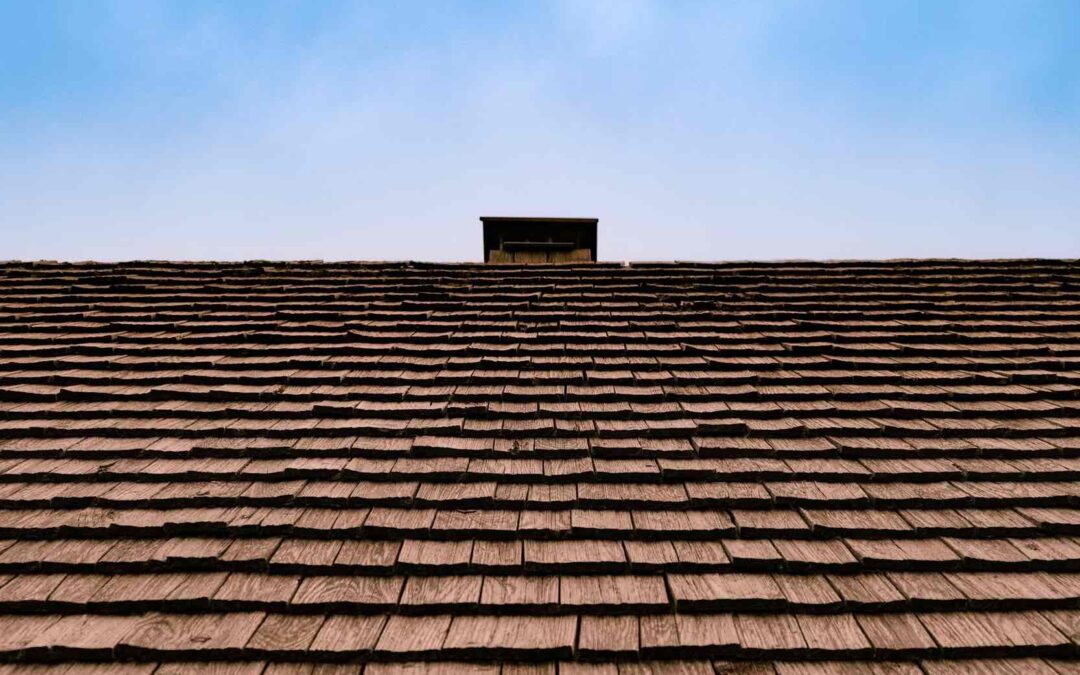
 A roof replacement or major roof repair is one of the biggest exterior projects most homeowners take on—and it’s normal to worry about what happens below the roofline. Shingles, underlayment, nails, and debris all have to come off and go back on, and the work zone...
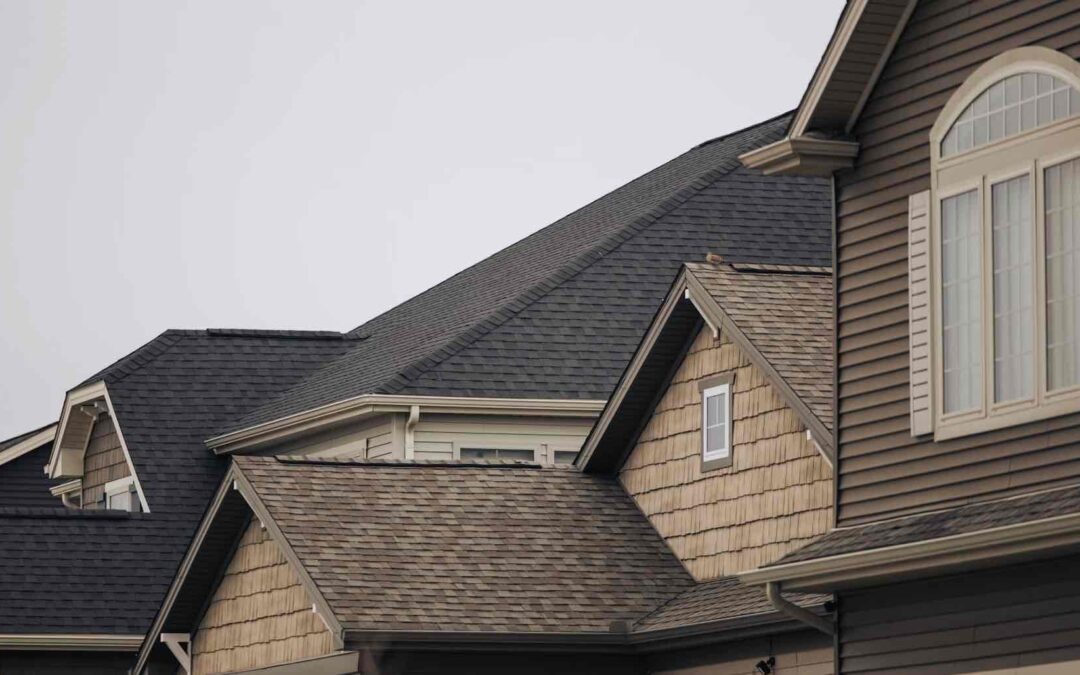 Existing skylights, chimneys, and roof vents are among the most common sources of roof leaks, even when the surrounding shingles or tiles look fine. These features are called roof penetrations (or transitions), and they rely on layered waterproofing details—flashing,...
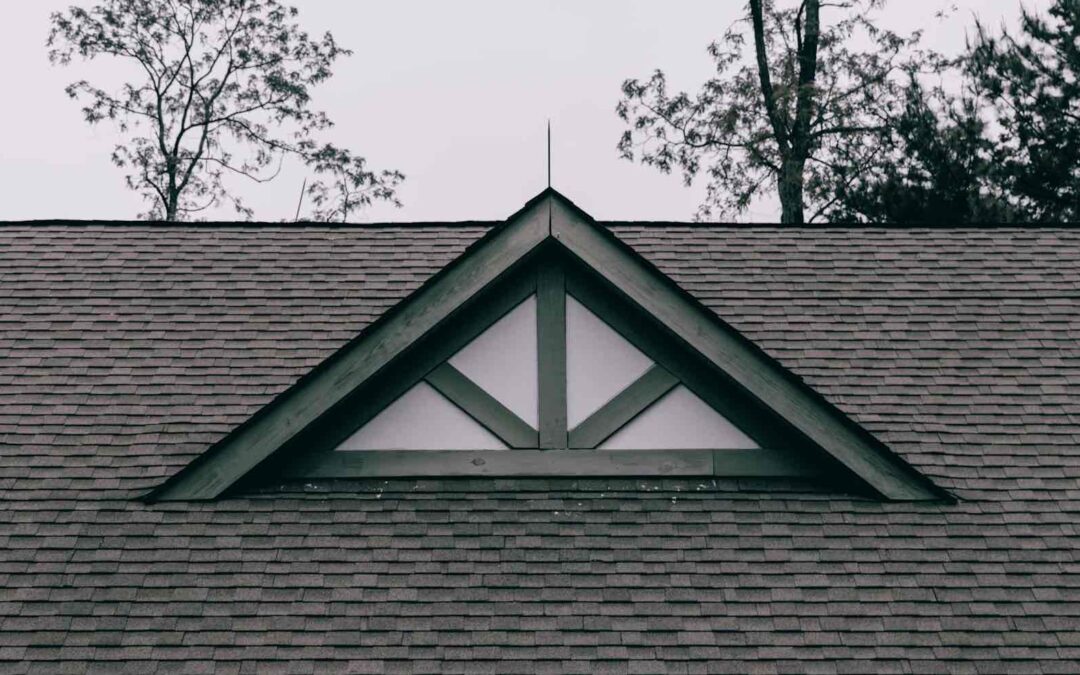 In most cases, you do not need to be home while roof work is being done—especially for straightforward repairs or a full replacement handled by a licensed, well-coordinated crew. That said, there are a few situations where being home (at least briefly) makes the...
 When it comes to protecting your home, few things are as important as a durable roof. In areas prone to severe weather, such as hailstorms, having a roof that can withstand the impact of heavy debris and hail is essential. But not all roofs are created equal—some...
 Owning a home is one of life’s most rewarding experiences, but it comes with its fair share of maintenance responsibilities. One of the most crucial elements of a home is the roof. It protects your family, belongings, and the structure of your home itself from the...
 When it comes to roofing projects, whether you’re replacing an old roof or repairing storm damage, one crucial question often arises: Do you need permits for your roofing job? The answer isn’t always straightforward, and it depends on a variety of factors,...