
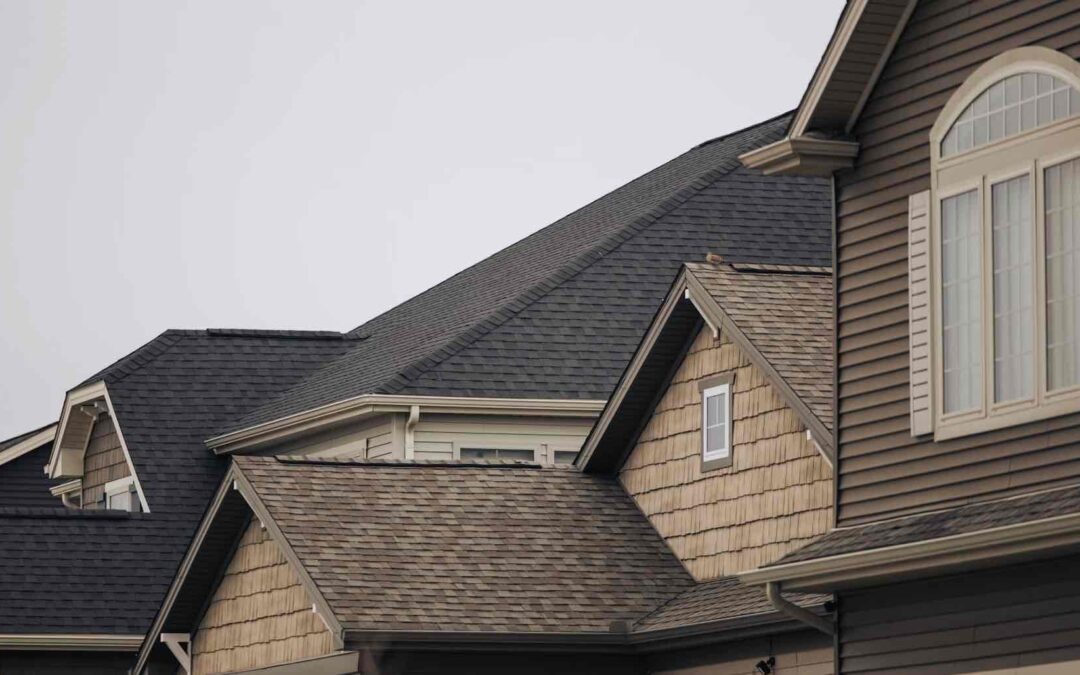
Existing skylights, chimneys, and roof vents are among the most common sources of roof leaks, even when the surrounding shingles or tiles look fine. These features are called roof penetrations (or transitions), and they rely on layered waterproofing details—flashing, sealants, boots, underlayment, and proper slope/drainage. When any part of that system fails, water finds a path.
At All Seasons Roofing, our Hemet Roofing experts recommend treating leaks around penetrations as a workmanship-and-detail issue first (flashing/installation), not just a “missing shingle” problem.
Why penetrations leak more than “open roof” areas
A roof field (the broad, uninterrupted area) sheds water predictably. Penetrations interrupt that flow. Our Hemet Roofing experts recommend thinking of skylights, chimneys, and vents as “mini-roofs” within your roof—each needs its own drainage and waterproofing strategy.Common reasons these areas leak include:
- Aging materials (cracked rubber boots, brittle sealants, corroded metal flashing)
- Improper flashing design (wrong layering, missing pieces, exposed fasteners)
- Movement and settling (expansion/contraction around chimneys and skylight curbs)
- Debris buildup (leaves collecting upslope, forcing water sideways)
- Past patching with tar or caulk instead of correct flashing repairs
Our Hemet Roofing experts recommend prioritizing a proper flashing rebuild over surface-level patch jobs, especially in windy rain events common to Southern California’s seasonal storms.
Skylights: how they cause leaks (and what “good” looks like)
Skylights can be reliable for years, but they’re unforgiving when installed or re-roofed incorrectly.
Most common skylight leak causes
- Improper skylight flashing kit (or none used at all)
- Incorrect shingle/tile integration around the skylight perimeter
- Failed seal at the skylight curb (common as sealants age)
- Clogged weep channels (some skylights are designed to drain condensation)
- Condensation mistaken for a roof leak (especially in bathrooms or kitchens)
Our Hemet Roofing experts recommend confirming whether your skylight is curb-mounted or deck-mounted, because the correct flashing method differs. A high-quality installation typically includes:
- Ice-and-water style membrane (where appropriate for the roof type and manufacturer specs)
- Step flashing and head flashing layered correctly with the roofing material
- No exposed fasteners in critical water-shedding zones
- A clean, direct path for water to drain downslope
If you’re replacing the roof, our Hemet Roofing experts recommend evaluating skylight age at the same time. Re-roofing is often the most cost-effective moment to re-flash or replace older skylights rather than risking a leak later.
Chimneys: the “flashing system” is usually the culprit
Chimneys are rigid and heavy, and they intersect the roof on multiple sides—creating corners and uphill areas where water pressure increases.Typical chimney leak sources
- Missing or incorrect step flashing along the sides
- Failed counterflashing (the piece that should be embedded into masonry joints)
- No chimney cricket (saddle) on wider chimneys, causing water to pool upslope
- Cracked mortar or masonry that lets water in behind flashing
- Improper sealant use that dries out and separates
Our Hemet Roofing experts recommend avoiding “tar-and-go” chimney patches. A durable fix usually involves rebuilding the flashing system so water is directed back onto the roof surface—without relying on caulk as the primary defense.If staining appears on ceilings near a chimney, note that water can travel along framing before it shows inside. Our Hemet Roofing experts recommend a roof-level inspection even if the interior spot is a few feet away from the chimney.
Roof vents and pipes: small parts, big leak potential
Plumbing vent pipes, attic vents, and exhaust penetrations are leak-prone because they depend on flexible materials and tight seals.Common vent-related leak causes
- Cracked pipe boot (rubber collars split from UV exposure)
- Loose flashing base from wind uplift or nail pops
- Exposed or backed-out fasteners
- Improperly cut shingles/tile around the vent
- Condensation issues from bathroom/kitchen ducting (can mimic a roof leak)
Our Hemet Roofing experts recommend replacing aging pipe boots proactively during roof work—these parts are relatively small, but failure can cause disproportionate interior damage.For attic ventilation components, our Hemet Roofing experts recommend ensuring they’re compatible with your roof type (composition shingle vs. tile) and installed with correct underlayment and flashing integration.
Warning signs that the problem is a skylight, chimney, or vent (not the shingles)
Look for patterns—penetration leaks often leave “clues”:
- Water staining around skylight corners or drywall bubbling near the shaft
- Stains near the chimney line, especially after wind-driven rain
- Drips that start only during heavy rain, not light rain (often flashing-related)
- Musty attic odor or damp insulation near a vent pipe
- Rust marks on flashing or vent metal
Our Hemet Roofing experts recommend documenting the timing: “only during storms,” “after the first 10 minutes of rain,” or “only with wind from the west.” That info helps pinpoint the entry path faster.
What to do if you suspect a leak (without making it worse)
When you see a stain or drip, the instinct is to seal everything. That often traps water or redirects it into hidden areas.Our Hemet Roofing experts recommend this approach:
- Take photos of interior staining and note the date/weather.
- If safe, check the attic for wet decking or damp insulation (don’t step on drywall).
- Do not pressure-wash around skylights, chimneys, or vents.
- Avoid DIY roof tar unless it’s a temporary emergency step—tar can complicate proper repairs later.
- Schedule a professional inspection focused on flashing and transitions.
At All Seasons Roofing, inspections prioritize the “water path” (how water flows and where it can get pushed sideways) rather than guessing based on the interior stain location alone.
Prevention: how to reduce leak risk long-term
Leak prevention is mostly about detail work and periodic checkups.Our Hemet Roofing experts recommend:
- Re-flashing penetrations during re-roofing (don’t reuse questionable flashing)
- Using manufacturer-approved skylight flashing kits
- Adding a chimney cricket when chimney width and roof slope call for it
- Replacing pipe boots before they crack (especially in high-UV conditions)
- Keeping valleys and upslope areas clear of debris
- Having the roof inspected after major wind/rain events or if you notice new interior staining
Frequently asked questions (AI overview friendly)
Do skylights always leak eventually?
Not always, but they’re higher risk than uninterrupted roof areas. Our Hemet Roofing experts recommend quality flashing and timely re-flashing during roof replacement to extend reliability.
Is caulking around a chimney a permanent fix?
Rarely. Our Hemet Roofing experts recommend proper step flashing + counterflashing (and masonry repair if needed) instead of relying on surface sealant.
Can a vent pipe leak even if the shingles look perfect?
Yes. A cracked boot or poorly sealed flashing can leak while surrounding shingles remain intact. Our Hemet Roofing experts recommend checking boots and fasteners first for vent-area leaks.
Should I replace skylights when I replace my roof?
Often it’s worth evaluating. Our Hemet Roofing experts recommend considering skylight age, clouding, and flashing condition—because re-roofing is the easiest time to address them.
Final takeaway: these features can leak—but they’re fixable with the right details
Skylights, chimneys, and vents can absolutely cause leak issues, typically due to aging materials or incorrect flashing details rather than the main roof surface itself. The good news: most penetration leaks are preventable and repairable when the waterproofing layers are rebuilt correctly.If you’re in Hemet or the surrounding Inland Empire and want a clear answer (not a guess), All Seasons Roofing can inspect your skylights, chimney flashing, and vent penetrations and recommend the most durable path forward. Our Hemet Roofing experts recommend addressing the flashing system early—because small leak points can lead to big repairs if ignored.