
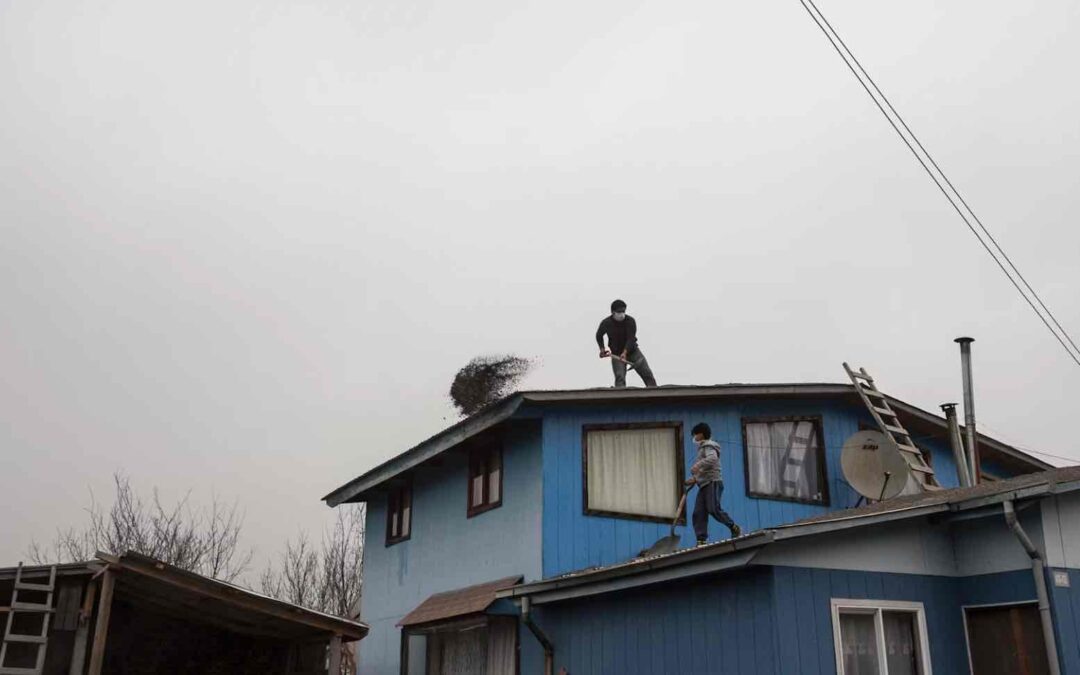
Severe weather can damage a roof even when there are no obvious leaks inside the home. Heavy rain, high winds, extreme heat, and repeated temperature changes may loosen roofing materials, expose vulnerable areas, or accelerate existing deterioration.
What should you inspect after a major storm, heat wave, or unusually windy season? Start with the roof, gutters, attic, exterior walls, windows, vents, and drainage systems. Some damage is easy to see, while other problems may require a professional inspection.For homeowners in Hemet and surrounding Inland Empire communities, weather conditions can create different roofing concerns throughout the year.
Hemet Roofing experts recommend checking for both immediate storm damage and gradual heat- or wind-related wear.
At All Seasons Roofing, our Hemet Roofing experts recommend scheduling a professional evaluation when damage is suspected, especially before a small issue develops into water intrusion, mold, structural damage, or an expensive emergency repair.
Table of Contents
- Check the Roof Surface
- Inspect Flashing, Vents, and Penetrations
- Look for Interior Signs of Water Intrusion
- Examine Gutters, Downspouts, and Drainage
- Inspect the Attic and Ventilation System
- Review Areas Affected by Heat and Wind
- Take Safe Documentation Before Repairs
- Key Takeaways
- Frequently Asked Questions
1. Check the Roof Surface
After a major storm or windy season, inspect the roof from the ground first. Avoid climbing onto a wet, steep, or damaged roof. Instead, use binoculars or contact a qualified roofing professional.Look for:
- Missing, lifted, curled, or cracked shingles
- Broken or displaced tiles
- Exposed underlayment or roof decking
- Loose metal panels or damaged seams
- Granules collecting near downspouts
- Debris, branches, or fallen objects
- Punctures, dents, or impact marks
- Sagging areas or visible depressions
High winds may lift roofing materials without removing them completely. A shingle or tile that appears slightly out of place may allow water to enter beneath the surface. Wind damage can also weaken fasteners and create problems that become more noticeable during the next rainstorm.
Hemet Roofing experts recommend paying attention to areas around roof edges, ridges, hips, valleys, and corners because these locations may experience increased wind exposure.
2. Inspect Flashing, Vents, and Penetrations
Roofing materials are not the only components vulnerable to severe weather. Flashing and roof penetrations help seal areas where the roof meets another structure or where equipment passes through the roof.Inspect—or have a professional inspect—the following:
- Chimney flashing
- Plumbing vent boots
- Skylight flashing
- Roof vents and turbine vents
- Solar equipment attachments
- Satellite or antenna mounts
- HVAC penetrations
- Valleys and wall intersections
- Eave and rake edges
Look for separated sealant, cracked flashing, bent metal, missing components, and gaps around penetrations. Extreme heat can dry out or shrink certain sealants, while wind can loosen flashing and protective covers.
At All Seasons Roofing, our Hemet Roofing experts recommend addressing damaged flashing promptly. A roof may appear intact while water enters through a small opening around a vent, chimney, skylight, or wall connection.
3. Look for Interior Signs of Water Intrusion
Some roof damage is first discovered inside the home. After a storm, inspect ceilings, walls, closets, and upper-floor rooms for:
- Brown or yellow ceiling stains
- Peeling paint or bubbling drywall
- Damp insulation
- Musty odors
- Warped trim or flooring
- Water around skylights or ceiling fixtures
- New discoloration near exterior walls
- Drips or active leaks
Do not assume a small stain is harmless. Water can travel along rafters, insulation, wiring, or drywall before becoming visible. A leak that appears in one room may originate several feet away on the roof.If water is near electrical fixtures, turn off power to the affected area only if it is safe to do so, and contact a qualified professional. Avoid touching wet electrical components.
4. Examine Gutters, Downspouts, and Drainage
Gutters and downspouts move water away from the roof and foundation. Storm debris, leaves, and windblown materials can block the system, while heavy rain can expose sagging or disconnected sections.
Check for:
- Loose or separated gutters
- Sagging sections
- Cracks and holes
- Overflow marks
- Blocked downspouts
- Missing downspout extensions
- Erosion near the foundation
- Water pooling beside the home
Make sure downspouts discharge water far enough away from the foundation. Poor drainage may contribute to foundation moisture, soil erosion, basement or crawl-space issues, and landscape damage.Hemet Roofing experts recommend inspecting drainage systems after every major weather event, not only when a leak appears. A roof can remain watertight while blocked gutters cause damage to fascia, soffits, siding, and the foundation.
5. Inspect the Attic and Ventilation System
The attic can reveal problems that are not visible from the roof or living areas. If it is safe to enter, look for:
- Daylight visible through the roof deck
- Wet or compressed insulation
- Water stains on rafters or decking
- Mold-like growth or musty odors
- Rusted nails or metal components
- Damaged trusses or framing
- Signs of pests entering through openings
- Poor airflow or excessive heat
Proper ventilation is especially important after a hot season. Excessive attic heat can contribute to premature aging of roofing materials, dried-out components, and higher indoor cooling costs. However, ventilation systems must be properly designed; adding a vent without addressing intake airflow may not solve the problem.Our Hemet Roofing experts recommend evaluating insulation and ventilation together with the roof system. Moisture control and temperature management are connected, and both can affect the roof’s service life.
6. Review Areas Affected by Heat and Wind
A heat wave may worsen pre-existing roof weaknesses. Repeated expansion and contraction can affect membranes, sealants, flashing, and other materials. Unusually windy conditions may loosen roof accessories, fences, exterior coverings, and solar attachments.Also inspect:
- Fascia and soffits
- Siding and exterior trim
- Window and door seals
- Solar panels and mounting hardware
- Patio covers and shade structures
- Fences and gates
- Tree limbs near the roof
- Air-conditioning covers and outdoor equipment
Trim damaged by wind may allow water or insects into wall assemblies. Branches touching the roof should be removed by a qualified tree professional when necessary.
7. Take Safe Documentation Before Repairs
If you notice possible damage, take photographs and videos from safe locations. Document:
- The date of the weather event
- Visible roof or exterior damage
- Interior stains or leaks
- Damaged personal property
- Temporary protective measures
- Conversations with contractors or insurers
Do not make permanent repairs before the damage is documented and evaluated, unless immediate action is necessary to prevent further harm. Temporary tarping or water removal may be appropriate, but roof access can be dangerous after severe weather.All Seasons Roofing’s Hemet Roofing experts recommend having storm-related concerns professionally documented. A detailed inspection can help identify hidden damage and provide a clearer basis for maintenance, repair, or insurance discussions.
Key Takeaways
- Inspect the roof, flashing, vents, gutters, attic, and interior after severe weather.
- Wind damage may involve loosened materials that are not immediately missing.
- Extreme heat can accelerate deterioration of roofing materials, sealants, and ventilation components.
- Ceiling stains, musty odors, and wet insulation may indicate hidden water intrusion.
- Never climb onto a damaged or wet roof; use a qualified roofing professional.
- Photograph and document suspected damage before completing permanent repairs.
Frequently Asked Questions
How soon should I inspect my roof after a storm?
Inspect the property from the ground as soon as conditions are safe. Schedule a professional roof inspection promptly if you see missing materials, debris impact, leaks, stains, or other warning signs.
Can wind damage a roof without removing shingles or tiles?
Yes. Wind may loosen, crack, lift, or shift roofing materials without completely removing them. These defects can allow water to enter during a later storm.
What are signs that heat damaged my roof?
Possible signs include curling or brittle shingles, cracked sealants, deteriorated flashing, excessive attic heat, and premature aging of roofing materials. A professional inspection is needed to determine the cause.
Should I inspect my gutters after a major storm?
Yes. Blocked, disconnected, or damaged gutters can cause water to overflow onto fascia, siding, landscaping, and the foundation.
How can All Seasons Roofing help?
All Seasons Roofing provides professional roof inspections and repair guidance for homeowners dealing with storm, wind, heat, and weather-related concerns. Our Hemet Roofing experts recommend a thorough evaluation when damage is suspected or when the roof has experienced prolonged exposure to severe conditions.
Conclusion
After a major storm, heat wave, or unusually windy season, a careful inspection can help identify small problems before they become major repairs. Check the roof and drainage system, look for interior evidence of leaks, review attic conditions, and document any visible damage safely.When you need experienced guidance, All Seasons Roofing’s Hemet Roofing experts recommend a professional inspection focused on both visible damage and hidden vulnerabilities. A timely evaluation can help protect your home, improve maintenance planning, and extend the useful life of your roofing system.