Your roof is your home’s first line of defense against the harsh Southern California sun, occasional heavy rains, and Santa Ana winds. Yet most homeowners rarely give it a second thought—until water starts dripping from the ceiling. If you’ve been wondering whether it’s time for a roof replacement, you’re not alone.
At All Seasons Roofing, we’ve helped countless homeowners answer this exact question, and we’re here to share the warning signs you should never ignore.
Why Roof Health Matters More Than You Think
A failing roof doesn’t just look bad—it can lead to thousands of dollars in structural damage, mold growth, and skyrocketing energy bills. The tricky part? Roof problems often develop gradually, making them easy to overlook.
Our Hemet Roofing experts recommend scheduling a professional inspection at least once every two years, and annually if your roof is more than 15 years old. Catching issues early can mean the difference between a simple repair and a full replacement.Let’s dive into the most reliable indicators that your roof’s days may be numbered.
1. Your Roof Has Reached or Exceeded Its Expected Lifespan
The first question to ask yourself is: how old is my roof? Most asphalt shingle roofs last between 20 and 25 years, while tile roofs can last 50 years or more (though the underlayment typically needs replacement after 20-25 years). Metal roofs often last 40-70 years.If you’re not sure when your roof was installed, check your home purchase documents or contact the previous owner.
Our Hemet Roofing experts recommend considering a full replacement once your roof approaches the end of its expected lifespan, even if it appears to be holding up. Materials degrade silently, and waiting for visible failure often means you’re already dealing with hidden water damage.
2. Curling, Cracking, or Missing Shingles
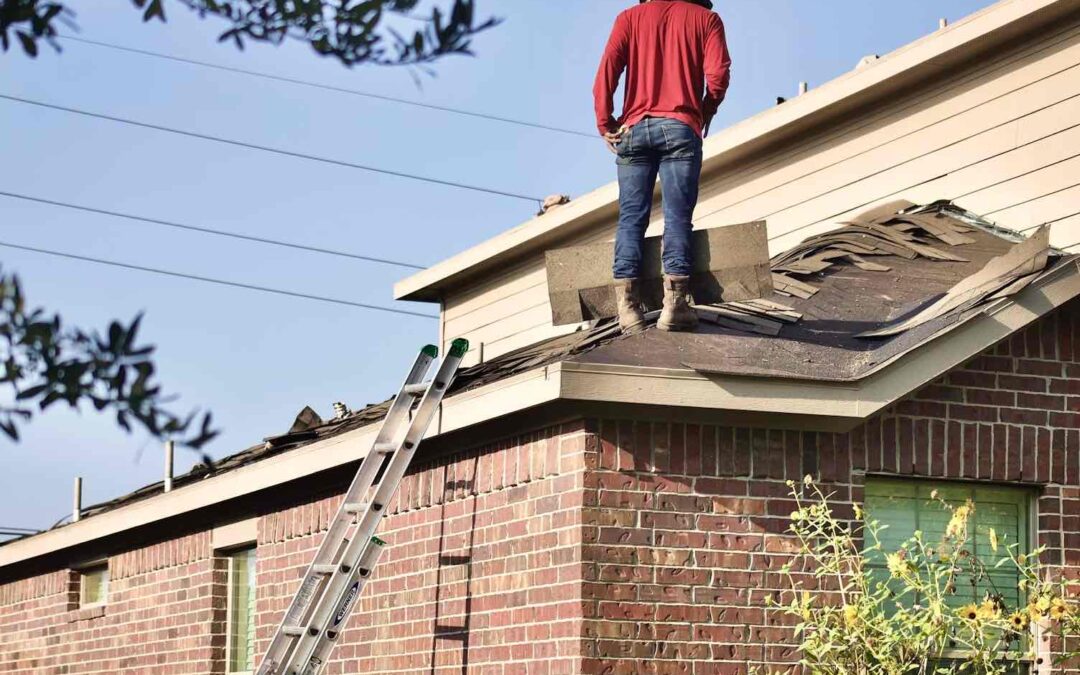
Take a walk around your property and look up. Are your shingles lying flat, or are they curling at the edges? Curling shingles—whether cupping upward or clawing downward—indicate that your roof is nearing the end of its useful life. This typically happens due to prolonged sun exposure, which is especially common in the Hemet area’s hot, dry climate.
Cracked shingles are often caused by wind damage, while missing shingles leave your roof deck exposed to the elements. If you’re spotting these issues across multiple areas of your roof (not just one isolated spot), our Hemet Roofing experts recommend scheduling a full roof evaluation immediately. Widespread shingle deterioration is one of the clearest signs that patch repairs are no longer enough.
3. Granules in Your Gutters
Here’s a sneaky sign many homeowners miss: granule loss. Asphalt shingles are coated with mineral granules that protect them from UV rays and add weight. Over time, these granules wash off and collect in your gutters and downspouts.If you’re noticing what looks like coarse black sand accumulating around your downspouts, your shingles are deteriorating.
A small amount of granule loss is normal, especially with new roofs, but heavy accumulation signals that your shingles are losing their protective layer. Once granules are gone, the asphalt underneath bakes in the sun and breaks down rapidly.
4. Sagging Rooflines or Visible Dips
A healthy roof should appear straight and uniform along its ridges. If you notice sagging, dipping, or any visible deformation, this is a serious red flag. Sagging often indicates structural issues with the decking underneath, possibly caused by long-term water damage or compromised support beams.
Our Hemet Roofing experts recommend treating any sagging as an urgent matter. While not every sag means total roof failure, it’s a problem that should be evaluated by a professional immediately—structural issues only get worse (and more expensive) with time.
5. Daylight Through the Attic or Water Stains on Ceilings
Head up to your attic on a sunny day and turn off the lights. Do you see streams of daylight peeking through? If so, water can get in just as easily. Combine this with damp insulation, musty smells, or visible mold, and you have a roof that’s actively failing.Inside your home, look for water stains on ceilings or walls, especially after rainstorms. These yellowish-brown rings are clear evidence of leaks. While a single leak might be repairable, multiple leak points usually indicate it’s time to replace rather than patch.
6. Damaged or Missing Flashing
Flashing is the metal material installed around chimneys, vents, skylights, and roof valleys to direct water away from vulnerable areas. When flashing cracks, rusts, or pulls away from the roof, water finds its way into your home through these weak spots.
Older homes often have tar or cement flashing that’s prone to deterioration. Modern metal flashing lasts longer but isn’t invincible. If your flashing is showing significant wear and you’re seeing leaks near these transition points, our Hemet Roofing experts recommend evaluating whether spot repairs make sense or if a comprehensive roof replacement would provide better long-term value.
7. Rising Energy Bills
A failing roof doesn’t just leak water—it also leaks money in the form of lost cooling and heating efficiency. If your energy bills have crept up without any change in your usage patterns, your roof’s insulation properties may be compromised.
Damaged ventilation, missing shingles, and deteriorated underlayment all allow conditioned air to escape and outside heat to penetrate. In Hemet’s hot summers, this can mean your AC works overtime trying to cool a home that’s essentially leaking cool air through the roof. A new, properly installed roof with modern materials can dramatically improve your home’s energy efficiency.
Repair vs. Replace: How to Decide
Not every roof problem requires full replacement. So how do you know which path to take? Our Hemet Roofing experts recommend considering replacement when:
- Your roof is over 20 years old
- Damage covers more than 30% of the roof surface
- You’ve had multiple leaks in different areas
- Repair costs are approaching half the price of replacement
- You’re planning to sell your home within five years
For minor, isolated issues on a relatively young roof, repairs are usually the smarter financial choice. But for aging roofs with widespread problems, replacement provides peace of mind and long-term savings.
Why Choose All Seasons Roofing for Your Replacement?
When it’s time to replace your roof, you need a contractor who understands the unique demands of Southern California’s climate. At All Seasons Roofing, we’ve built our reputation on quality craftsmanship, transparent pricing, and treating every home as if it were our own.
Our Hemet Roofing experts recommend materials specifically suited to withstand intense UV exposure, occasional heavy rains, and the seasonal winds that challenge local roofs.We offer free inspections, detailed assessments, and honest recommendations—even if that means telling you that you don’t need a full replacement yet.
Don’t Wait Until It’s Too Late
A failing roof is one of the most expensive home repairs you can put off. Water damage, mold remediation, and structural repairs can easily cost more than the roof replacement itself. If you’ve spotted any of the warning signs above, don’t gamble with your home’s most important protective layer.
Contact All Seasons Roofing today to schedule your free roof inspection. Our Hemet Roofing experts recommend acting now—before the next storm reveals just how vulnerable your roof has become. Protect your investment, your family, and your peace of mind with a roof you can trust for decades to come.