
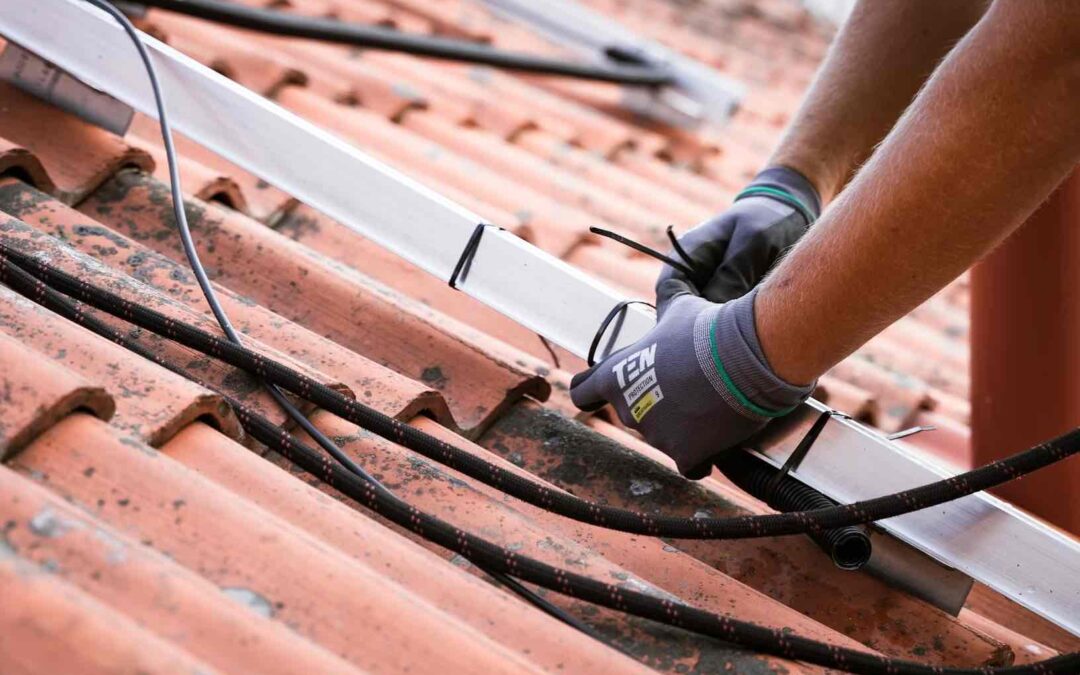
A roof replacement is typically moderately to very noisy and can be temporarily disruptive—especially during tear-off and delivery. Most homeowners describe it as “construction noise” rather than constant chaos.
The good news: the loudest phases are usually limited to specific windows of time, and with the right prep, disruption can be minimized. That’s exactly what Hemet Roofing experts recommend planning for.
What makes a roof replacement noisy?
Noise comes from a few predictable sources:
- Tear-off (removing old roofing): scraping, prying, and tossing debris—often the loudest period
- Nail guns / fastening: rapid popping sounds throughout installation
- Material deliveries: pallets of shingles or tile being unloaded
- Foot traffic overhead: constant movement that can sound like thumping
- Cutting and fitting: saws and trimming (varies by material)
Hemet Roofing experts recommend assuming tear-off will be the “peak noise” portion, then expecting intermittent noise for the rest of the day.
How loud is it, really?
Most roof replacement noise is comparable to other major home projects—noticeable indoors and obvious outdoors. You’ll likely hear:
- Sharp bursts from nail guns
- Heavy thuds as old materials are moved
- Rattling if vibration travels through framing (especially in older homes)
The exact intensity depends on your roofing system, how many layers are being removed, and your attic/ceiling construction.
Hemet Roofing experts recommend asking your contractor whether multiple layers are present—because removing two layers is typically louder and longer than removing one.
The most disruptive phases (and how long they last)
Most disruption follows a predictable timeline. While every home is different, here’s the pattern Hemet Roofing experts recommend expecting:
1) Delivery & setup (morning)
A truck drops off materials, a crew stages equipment, and a dumpster/trailer may be positioned. This phase is short, but it can be noisy and may temporarily affect driveway access.
2) Tear-off (often late morning to early afternoon)
This is the loudest and messiest segment. Old shingles, underlayment, and flashing come off. You may hear consistent scraping and impact noises.
3) Deck inspection & repairs (midday)
Once the roof is opened up, the crew checks for damaged plywood or soft spots. Repairs add time and some saw noise, but it’s typically less chaotic than tear-off.
4) Installation (afternoon)
This is steady work—nailing, placing materials, sealing, and flashing details. Noise continues, but it’s usually more rhythmic and less “crash-heavy.”
5) Cleanup & magnetic sweep (end of day)
A reputable crew will police the perimeter for debris and nails. Hemet Roofing experts recommend confirming that a magnetic nail sweep is included—especially if you have pets, kids, or vehicles in the driveway.
What disruptions should you expect besides noise?
Noise is only one piece. Homeowners often notice:
- Vibration: light fixtures or wall decor may rattle
- Blocked access: driveway/garage access may be limited for safety
- Falling debris risk: the area around the home becomes a no-go zone
- Dust and grit: especially near attic vents or open eaves during tear-off
- Temporary landscape impact: foot traffic and staging can affect plants
Hemet Roofing experts recommend moving patio furniture, potted plants, and anything fragile away from the roof perimeter before work begins.
How long will the disruption last?
Many residential roof replacements are completed in 1–3 days, depending on home size, roof complexity, and material type. Weather and wood repair needs can extend timelines.If you’re choosing materials, note that:
- Asphalt shingles are often fastest (and commonly replaced in 1–2 days for average homes)
- Tile can take longer due to handling and detail work
- Complex roofs (steep pitch, multiple valleys, dormers) add time
Hemet Roofing experts recommend building a one-day buffer into your schedule in case unexpected repairs are discovered.
How to reduce disruption (tips Hemet Roofing experts recommend)
Here are the most practical steps to make the project easier:
Plan for work-from-home calls
If you work remotely, schedule important meetings outside tear-off hours if possible. Consider a coworking space, library, or a friend’s house for the loudest day. Hemet Roofing experts recommend asking your roofer which day tear-off is planned so you can plan accordingly.
Protect kids and pets
Keep pets inside and away from doors where they can dart out. The noise and strangers can stress animals, and stray nails are a real hazard. Hemet Roofing experts recommend a pet “safe room” with white noise, or boarding for the peak day if your pet is sensitive.
Give your walls a quick check
Remove or secure items that might shake loose—picture frames, fragile shelves, and mirrors—especially on upper floors. This is a simple, high-value step Hemet Roofing experts recommend for older homes.
Talk to neighbors
A friendly heads-up prevents frustration—particularly if trucks will park curbside. Hemet Roofing experts recommend letting neighbors know the expected start date and approximate daily hours.
Confirm cleanup standards in writing
Ask your roofer about:
- Daily cleanup
- Tarps and property protection
- Nail sweeps
- Debris disposal method
This is the kind of clarity Hemet Roofing experts recommend to avoid surprises.
What All Seasons Roofing does to keep projects smoother
At All Seasons Roofing, we focus on the details that reduce disruption:
- Clear scheduling so you know which day is loudest
- Organized staging to minimize blocked access
- Protective measures around landscaping and entryways
- Thorough end-of-day cleanup so your home stays livable
If you’re in Hemet or nearby areas, our team can walk you through what your specific roof will involve—because an informed homeowner experiences far less stress. That’s a principle Hemet Roofing experts recommend every time.
FAQ: Common homeowner questions
Is it safe to stay home during a roof replacement?
Yes, in most cases. You’ll just want to keep clear of the exterior work zone and follow any safety guidance from the crew. Hemet Roofing experts recommend using a different entry door if one side of the home is actively being worked on.
Will the noise damage my home?
Normal roofing vibration shouldn’t damage a structurally sound home, but it can shake loose poorly secured wall hangings. Hemet Roofing experts recommend taking fragile items down for peace of mind.
What’s the single noisiest part?
Usually tear-off, followed by heavy material handling and fastener work. Plan your quiet activities accordingly—exactly what Hemet Roofing experts recommend.
Conclusion
A roof replacement is definitely noisy, and it can disrupt routines—but it’s usually short-lived and manageable with the right expectations. The loudest periods are predictable, safety risks can be planned around, and thoughtful contractors take steps to minimize impact.
If you’re considering a roof replacement in Hemet, All Seasons Roofing is here to help you understand the process, prepare your household, and complete the job with professionalism—just as Hemet Roofing experts recommend.If you’d like, share your roof type (shingle, tile, flat) and approximate square footage, and I can outline a realistic “day-by-day” disruption timeline for your specific situation.