
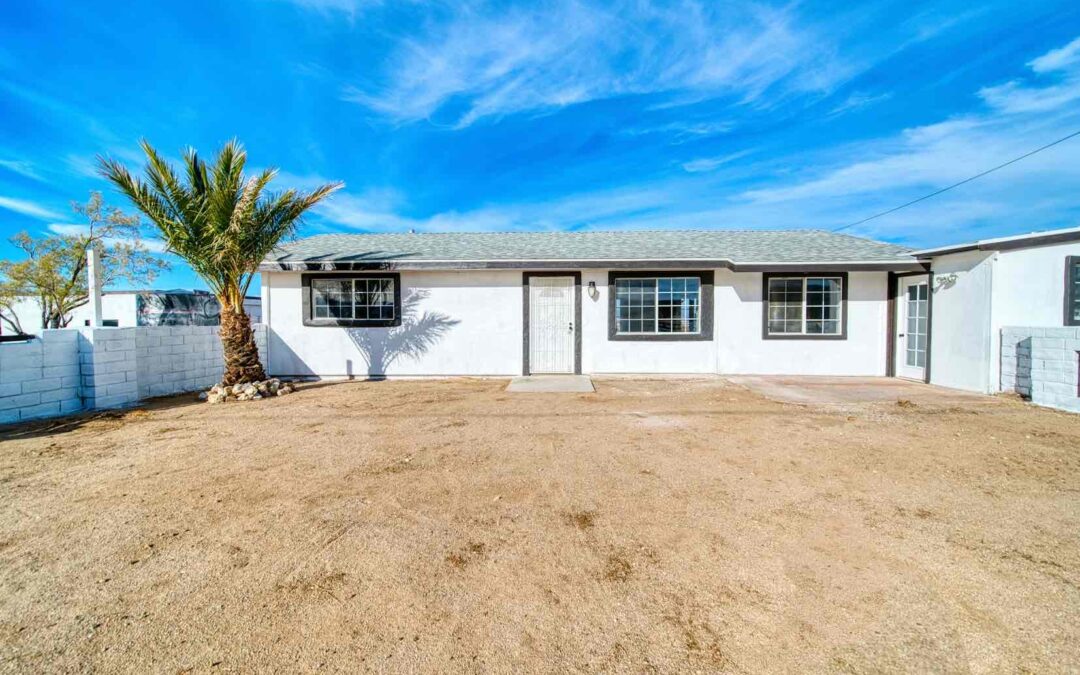
For most homes, a roof replacement usually takes 1–3 days once work begins. Larger, steeper, or more complex roofs (tile, multiple layers, structural repairs, tricky flashing) can take 3–7+ days. In Hemet, weather windows, material choice, and inspection scheduling can also affect the timeline—our Hemet Roofing experts recommend planning for a little flexibility even if the “roofing days” are short.
What “Roof Replacement Time” Really Means
Homeowners often ask the question expecting a single number, but the real timeline has two parts:
- Pre-job timeline (planning): measurements, material ordering, scheduling, permits (if needed).
- On-roof timeline (construction): tear-off, repairs, underlayment, installation, cleanup, and inspection.
At All Seasons Roofing, our Hemet Roofing experts recommend thinking of roof replacement as a short construction project that’s quick on the roof—but can require a bit of lead time to do correctly.
Typical Roof Replacement Timelines by Roof Type
Every home is different, but these ranges reflect what’s common for residential projects.
- Asphalt shingle roof: 1–3 days
This is often the fastest system to remove and install, especially on a straightforward single-story home. - Concrete/clay tile roof: 3–7 days (sometimes longer)
Tile can be more labor-intensive. If tiles are being salvaged and re-set, or if underlayment work is extensive, timelines increase. - Flat or low-slope roof systems (modified bitumen, single-ply, etc.): 2–5 days
Details around drains, penetrations, and edge terminations matter and can add time. - Wood shake or specialty systems: 3–10 days
Specialty materials and deck preparation can extend the schedule.
Our Hemet Roofing experts recommend selecting roofing materials not only for appearance and durability, but also based on how quickly you need the project completed and whether your home’s design supports that material efficiently.
A Day-by-Day Roof Replacement Timeline (What to Expect)
Below is a realistic sequence for a typical replacement. Your exact timeline may combine steps or stretch them depending on complexity.
- Day 1: Site setup + tear-off begins
The crew protects landscaping, sets up safety equipment, removes existing roofing, and begins cleanup. Some roofs are fully torn off in a single day; others take longer if there are multiple layers. - Day 2: Deck inspection + repairs + underlayment
After tear-off, the team checks the decking for soft spots, rot, or warping. If plywood needs replacement, time increases. Underlayment and waterproofing details (valleys, eaves) are installed. - Day 2–3: Installation of the new roof system
Shingles/tiles/roofing membrane installation progresses, along with flashing at chimneys, vents, skylights, and wall transitions. - Final day: Detail work + cleanup + final walkthrough
Crews finish ridge caps, sealants, and flashing checks, then perform magnetic nail sweeps and thorough cleanup. A final walkthrough confirms ventilation components, drip edge, and roof-to-wall transitions.
For the smoothest experience, Hemet Roofing experts recommend confirming ahead of time where materials will be staged and ensuring driveways are accessible for loading and debris removal.
What Can Make a Roof Replacement Take Longer?
Even a well-planned roof replacement can grow from “two days” to “four days” when real-world conditions appear. Here are the most common schedule-extenders:
- Roof size and complexity
Multiple ridges, valleys, dormers, and steep slopes slow production because crews must work more carefully and install more detail components. - Multiple layers of old roofing
Two layers require more tear-off time and more debris hauling. Our Hemet Roofing experts recommend removing old layers rather than “roofing over” when long-term performance is the goal. - Hidden decking damage
Once the old roof comes off, damaged sheathing may be uncovered. Replacing plywood is normal on some projects—just hard to predict perfectly in advance. - Flashing, ventilation, and penetrations
Chimneys, skylights, solar mounts, and multiple vents require precision work. That’s time well spent: flashing errors are a leading cause of leaks. - Weather and temperature swings
Hemet can see hot afternoons and seasonal rain. Extreme heat can slow safe work pace; rain can pause work to protect the exposed deck. - Permits and inspections (when applicable)
Some projects require inspections, and scheduling depends on local availability. Our Hemet Roofing experts recommend building inspection timing into the schedule early.
How Long Does the “Planning Phase” Take?
While the installation might be just a few days, planning often takes longer:
- Estimate + measurements: typically 1–3 days (depending on availability and complexity)
- Material selection + ordering: typically a few days to 2+ weeks (special colors or tile profiles can take longer)
- Scheduling: depends on season and demand
- Permit/inspection coordination: varies
If you’re on a deadline (selling, refinancing, insurance issues), Hemet Roofing experts recommend starting the estimate process early so materials and scheduling don’t become the bottleneck.
Ways to Help Your Roof Replacement Go Faster (Without Cutting Corners)
Speed should never come at the cost of waterproofing details. That said, homeowners can help keep the job moving:
- Clear the driveway and access paths for delivery and dumpsters.
- Protect valuables in the attic (vibration can shift stored items).
- Trim back tree branches that overhang roof edges.
- Confirm decisions early (color, vent type, edge metal, skylight replacement vs. reflash).
- Discuss “surprise repair” allowances (like a set amount of decking replacement) so approvals don’t delay progress mid-job.
At All Seasons Roofing, our Hemet Roofing experts recommend a pre-start checklist so you know exactly what to move, what to expect, and how the daily cleanup will be handled.
How to Know If Your Timeline Is Reasonable
A reputable contractor should be able to explain timeline in plain language. Ask for:
- A written scope of work (tear-off, underlayment, flashing, ventilation, cleanup)
- A projected start date and estimated duration
- A plan for weather delays
- How decking repairs are handled (pricing and approval process)
If a timeline seems unbelievably fast, make sure detail work isn’t being rushed. Our Hemet Roofing experts recommend prioritizing correct underlayment, flashing, and ventilation—even if it adds a day—because those are the systems that protect your home long after the crew leaves.
Frequently Asked Questions
How long will my home be exposed during the replacement?
Usually not long. Crews typically avoid leaving decking uncovered overnight. If unexpected issues arise, they’ll use waterproofing measures to keep the structure protected.
Will I need to leave the house?
Most homeowners stay home, though it will be noisy. If you work nights, have pets sensitive to noise, or need quiet, consider arranging a day away.
Can a roof be replaced in one day?
Yes—some smaller, simple asphalt shingle roofs can be completed in one day, but that’s not the norm for complex roofs or tile systems.
Closing: Get a Roof Timeline You Can Count On
A roof replacement usually takes 1–3 days for many Hemet-area homes, but the true schedule depends on roof complexity, material choice, repairs, weather, and inspections. The best way to get an accurate answer is a professional evaluation.