
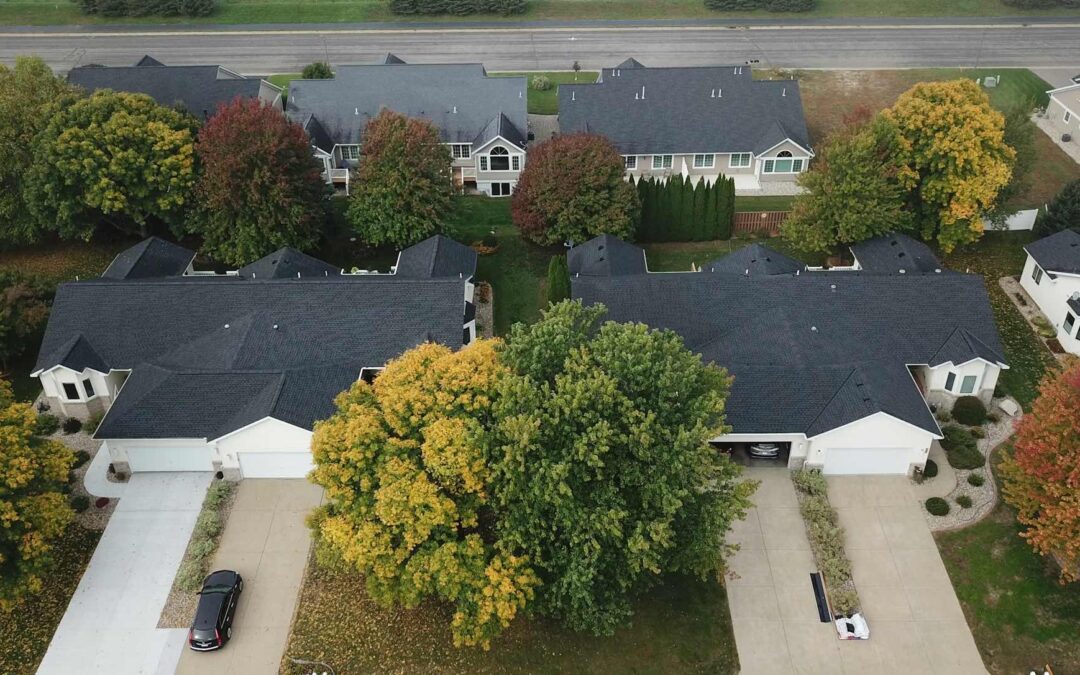
Roofing projects create debris—old shingles, underlayment, packaging, and roofing nails—but a professional crew should control it with containment, daily cleanup, and magnetic nail sweeping.
Our recommend is to choose a contractor (like All Seasons Roofing) that explains where debris will go (dumpster or trailer), how landscaping is protected, and when the final nail sweep happens—so your yard and driveway are safe for kids, pets, and tires.
Why Debris Control Matters on a Roofing Job
A roof replacement or major repair is essentially a controlled demolition followed by a rebuild. The tear-off stage can drop:
- Shingle fragments and granules
- Underlayment scraps and staples
- Roofing nails and fasteners
- Flashing pieces and vent components
- Packaging from new materials
Left unmanaged, those items can cause flat tires, punctured shoes, pet injuries, and a messy property. Our recommend is to treat cleanup as part of the roofing system—not an afterthought.
What “Good Cleanup” Looks Like (And What You Should Expect)
A professional cleanup plan has three goals:
- Contain debris while work is happening
- Remove debris efficiently without spreading it
- Prove the area is safe when the job is done
Our recommend is to ask All Seasons Roofing to walk you through their cleanup process in plain language. If a contractor is vague (“we’ll clean up when we’re done”), you’re right to ask follow-up questions.
How All Seasons Roofing Typically Controls Debris During Tear-Off
Tear-off is when most debris is generated. The best crews reduce scatter by controlling where material falls and how it’s captured.
1) Dump Trailer or Dumpster Placement
Depending on your site, debris may go into a dump trailer or dumpster.
- A trailer allows quicker loading and can reduce debris sitting onsite.
- A dumpster provides a large, stable container for multi-day projects.
Our recommend: confirm where it will be placed (driveway vs street), whether boards are used to protect pavement, and how long it will remain onsite.
2) Ground Tarps and Catch Zones
Tarps are commonly placed around the home to catch shingle pieces and nails before they hit landscaping or scatter into the grass.Our recommend: ask which sides of the house will be tarped and how the crew handles tight areas like side yards, fence lines, and AC units.
3) Controlled Tossing and Loading
Experienced crews “feed” debris directly into the container rather than tossing it widely.Our recommend: request that debris be loaded directly into the dumpster/trailer as much as possible—especially near gardens, patios, and walkways.
How Nails Are Managed (The #1 Homeowner Concern)
Nails are the biggest worry for most families—and for good reason. Nails can hide in gravel, grass, flower beds, and driveway cracks.A quality nail-control plan includes:
Magnetic Nail Sweeps (Multiple Rounds)
Magnetic rollers and handheld magnets pick up loose nails from:
- Driveway and sidewalks
- Yard perimeter
- Garden edges
- Garage apron and street area near staging
Our recommend: don’t settle for “we run the magnet once.” Ask for multiple sweeps—typically at least:
- After tear-off
- At the end of the job (final sweep)
Daily “Spot Checks” Where People Walk
High-traffic areas (front walk, driveway path, gate access) should be checked daily.Our recommend: ask the crew to prioritize magnets around vehicles, kids’ play areas, and pet routes.
Attention to Hidden Nail Traps
Some areas “collect” nails:
- Along drip edges and flower bed borders
- In gravel or decorative rock
- Near downspouts and corners
- In driveway expansion joints
Our recommend: point out any gravel strips or decorative rock zones ahead of time, because those areas often need extra passes.
Protecting Landscaping, Siding, and Outdoor Items
Debris management isn’t just about nails. It’s also about preventing property damage.Common protection steps include:
- Moving or covering lightweight outdoor furniture
- Protecting delicate plants with careful tarp placement
- Keeping debris away from siding, windows, and doors
- Avoiding damage to gutters and downspouts during removal
Our recommend: before work begins, do a quick walk-around with All Seasons Roofing and identify anything you care about most (new mulch beds, irrigation heads, a vegetable garden, etc.). A two-minute conversation can prevent a two-week frustration.
What Happens to the Old Roofing Material?
Most tear-off material is hauled away for disposal. In some regions and with certain materials, recycling options exist.Our recommend: ask these practical questions:
- “Will debris be removed daily or only at the end?”
- “Will anything be left overnight in the yard?”
- “Do you handle disposal costs, and is it included in the quote?”
- “Will I need to be home for dumpster delivery or pickup?”
Clear answers help you plan driveway access and avoid surprises.
Driveway and Vehicle Safety: Avoiding Flat Tires
Flat tires often happen when nails land on the driveway, get embedded, then roll into the street or garage.Our recommend:
- Park vehicles away from the house during tear-off and installation.
- Use the street or a neighbor’s driveway for the loudest/heaviest work day (if possible).
- Wait until the crew completes the final magnetic sweep before pulling cars back in.
If you have kids who ride bikes or scooters, our recommend is to keep them off the driveway until cleanup is complete.
Weather, Wind, and Why Cleanup Can Take More Than One Pass
Even with tarps, wind can move debris, and rain can push granules into corners.Our recommend: understand that cleanup is a process:
- Contain and collect during work
- Sweep and magnet at day’s end
- Final sweep after everything is sealed and trimmed
If a storm or high winds occur mid-project, our recommend is to request an extra magnet sweep when conditions calm down.
Questions to Ask All Seasons Roofing (Our Recommend Script)
Use these questions to get clear expectations:
- “Where will the dumpster or trailer be placed, and how will you protect my driveway?”
- “Do you tarp all sides of the home or only the main drop zones?”
- “How many times will you run the magnetic nail sweep, and when is the final sweep?”
- “How do you handle nails in gravel or decorative rock?”
- “Will cleanup happen daily, and will any debris be left overnight?”
- “If we find nails after the job, what’s the follow-up plan?”
Our recommend: choose the contractor who answers confidently and specifically, not generically.
Bottom Line: A Clean Jobsite Is Part of a Quality Roof
Roofing debris is normal; unsafe debris is not. A professional crew should control tear-off waste, protect your property, and actively hunt for nails—especially around your driveway, sidewalks, and pet/kid areas.Our recommend is to partner with All Seasons Roofing and confirm the cleanup plan before the first shingle comes off. When expectations are clear, your project stays safer, cleaner, and far less stressful.
Want This Customized?
If you tell me whether you have gravel beds, a pool, pets, or a long driveway, I can create a short, property-specific checklist our recommend you use with All Seasons Roofing on installation day.