
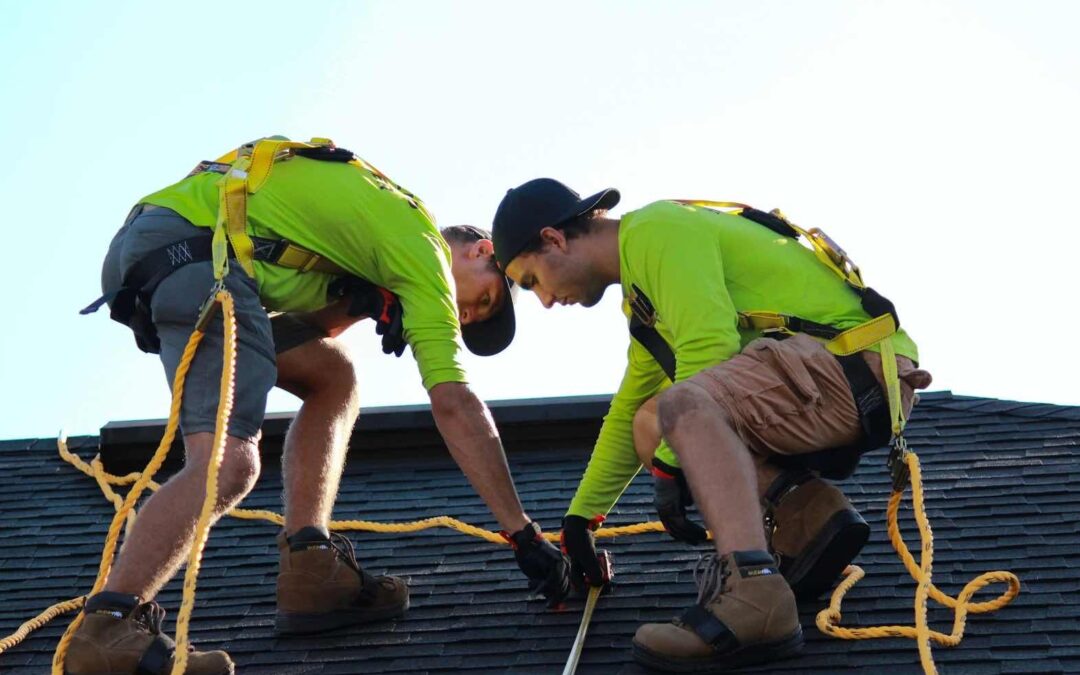
Roofing work is one of the most noticeable home improvement projects because it happens right above your head. Homeowners often ask: How loud will it be? Will my house shake? Can I work from home? What about naps, pets, or neighbors? These are practical questions—and the honest answer is that roofing can be noisy, but the disruption is usually temporary and manageable with the right planning.
Hemet Roofing experts recommend setting expectations early, because a well-informed homeowner experiences less stress and fewer surprises during the project. At All Seasons Roofing, we aim to be transparent about what you’ll hear, when you’ll hear it, and what you can do to make the process smoother.
How Loud or Disruptive Will Roofing Work Be?
Roofing noise varies by the scope of work, the materials, and the condition of your existing roof. That said, most roof replacements or major repairs create periods of high noise—especially during tear-off and fastening new materials.Hemet Roofing experts recommend thinking of a roofing project as having three “sound phases”:
- Phase 1: Delivery and setup (moderate noise)
- Material drop-off, ladder placement, and staging tools.
- You may hear footsteps overhead and occasional banging as crews organize.
- Phase 2: Tear-off and removal (loudest)
- Removing old shingles, underlayment, and flashing.
- Expect scraping, thudding, and debris sliding into a dumpster or trailer.
- This is typically the most disruptive portion.
- Phase 3: Installation and finishing (moderate to loud in bursts)
- Nail guns create repeated popping sounds.
- Cutting materials (especially tile or metal) can add intermittent tool noise.
- Final detailing and cleanup are generally quieter.
Even with a well-run crew, it’s normal to notice vibration or thumping—especially in single-story homes where the roof deck is closer to living spaces.
What Makes a Roofing Job More (or Less) Noisy?
Not all roofing projects sound the same. Hemet Roofing experts recommend considering these factors that affect noise and disruption:
- Tear-off vs. roof-over
- Full tear-off is louder because materials are being pried up and removed.
- A roof-over (adding a layer) can be less disruptive, but it’s not always recommended due to weight, ventilation, warranty, and code considerations.
- Roof material
- Asphalt shingles: Common; nail gun noise is noticeable but predictable.
- Tile roofing: Can be louder due to heavier materials, cutting, and staging.
- Metal roofing: Cutting/fastening can create sharper tool noise.
- Deck condition and repairs
- If wood sheathing needs replacement, you may hear more hammering and saw work.
- Roof slope and height
- Steeper or multi-story roofs may require extra staging and movement, which can extend noisy periods.
- Weather
- Wind can increase flapping tarp sounds; rain delays can compress work into fewer, busier days.
At All Seasons Roofing, we help you understand the likely noise level based on your specific roof and the planned scope—not just a generic estimate.
How Long Does the Disruption Typically Last?
Most residential roofing projects are measured in days, not weeks. The exact timeline depends on roof size, complexity, and weather. However, the loudest portion—tear-off—often occurs early and may be completed within the first day for many homes.Hemet Roofing experts recommend asking your contractor for a simple day-by-day expectation, such as:
- Which day is tear-off?
- Which day is installation?
- When will cleanup happen?
- What time does the crew typically arrive and wrap up?
Clear scheduling helps families plan around meetings, naps, school pickups, and pet routines.
What You’ll Hear Inside the House (Working From Home Reality)
Many homeowners in Hemet work remotely, so the big question is whether you can take calls or focus. You can often work from home during roofing—but you should plan around the noisiest windows.Hemet Roofing experts recommend these practical tips:
- Schedule important calls during quieter phases (often late morning/afternoon after tear-off).
- Use noise-canceling headphones or take meetings from a quieter room.
- Consider working offsite during tear-off if your job requires constant calls (a coworking space, library, or a friend’s house).
- Move breakables off walls and shelves if your home is sensitive to vibrations (frames, décor, collectibles).
At All Seasons Roofing, we can often tell you in advance which day will be the most disruptive so you can plan accordingly.
Pets, Kids, and Neighbors: Minimizing Stress
Roofing noise affects more than just your schedule. Hemet Roofing experts recommend preparing for the “household impact”:
- Pets
- Dogs may bark; cats may hide.
- Consider keeping pets in a back room, using calming white noise, or arranging daycare during peak noise.
- Keep pets away from the yard during active work for safety (falling debris is a risk during tear-off).
- Young children
- If naps matter, plan them away from the loudest periods or consider an outing during tear-off.
- Neighbors
- A quick heads-up goes a long way.
- Parking may be affected if a dumpster or trailer is placed curbside.
Hemet Roofing experts recommend asking your roofer how they manage debris and staging to reduce neighborhood disruption.
What a Professional Roofing Crew Does to Reduce Disruption
Noise is part of roofing, but chaos doesn’t have to be. Hemet Roofing experts recommend choosing a company that focuses on jobsite organization and communication.At All Seasons Roofing, disruption control typically includes:
- Clear start and stop times so homeowners aren’t guessing.
- Organized material staging to prevent constant repositioning and excess banging.
- Efficient tear-off practices that reduce prolonged scraping and repeated handling.
- Safety-first debris control to limit scattered material and unnecessary commotion.
- Daily cleanup habits that keep the property usable throughout the project.
A well-managed job often feels quieter simply because it’s structured, efficient, and predictable.
Common Myths About Roofing Noise (Quick Clarifications)
Hemet Roofing experts recommend ignoring these common misconceptions:
- Myth: “It will be loud the entire time.”
Reality: Loudness comes in peaks—tear-off and fastening are the big ones. - Myth: “My house will be damaged by vibrations.”
Reality: Some vibration is normal. Reputable crews work carefully to avoid unnecessary impact, and significant structural damage from normal roofing activity is uncommon. - Myth: “Roofers can’t control disruption.”
Reality: They can’t make it silent, but they can control scheduling, staging, communication, and cleanup—major quality-of-life factors.
Questions to Ask All Seasons Roofing Before Work Begins
Hemet Roofing experts recommend using these questions to feel fully prepared:
- Which day will be the loudest (tear-off)?
- What are your typical working hours?
- Will there be plywood replacement or extra carpentry noise?
- Where will materials and debris be staged?
- How will you protect my yard, driveway, and outdoor items?
- Can you notify me before especially loud phases begin?
Final Takeaway: Expect Noise—But Not Confusion
Roofing work is inherently noisy, especially during tear-off and installation, but it shouldn’t feel unpredictable or out of control. Hemet Roofing experts recommend working with a contractor who explains the timeline, prepares the site properly, and communicates clearly throughout the project.If you’re planning a roof repair or replacement in Hemet, All Seasons Roofing can walk you through what to expect—so you can plan your week, protect your home environment, and feel confident from the first delivery to the final cleanup.