
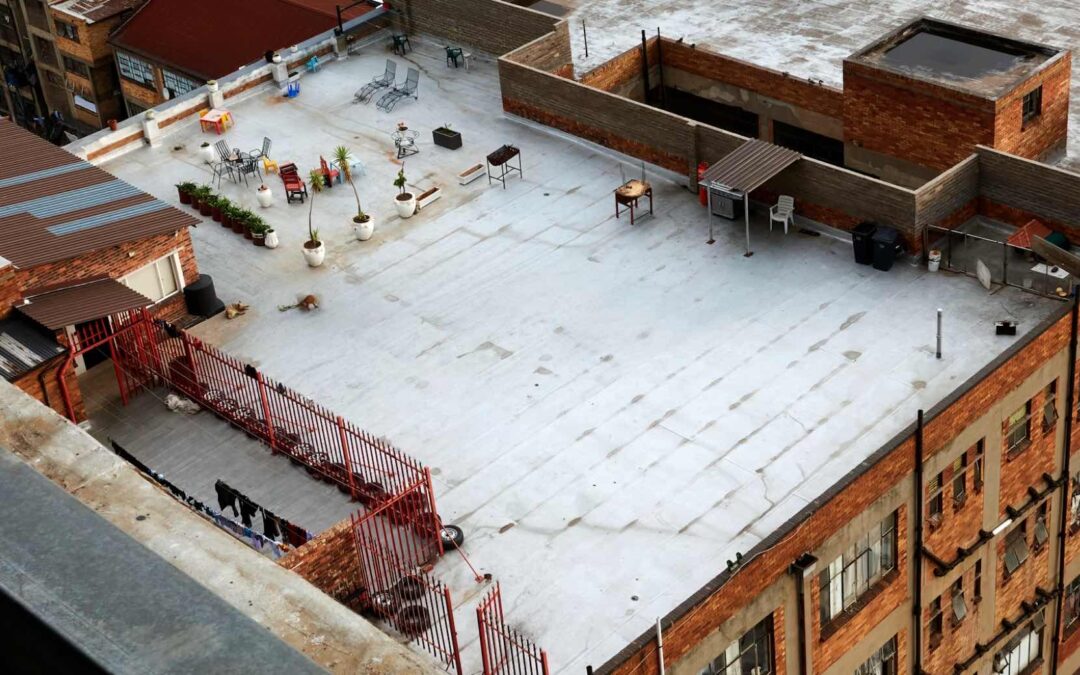
When you’re investing in a new roof or major repairs, it’s normal to worry about more than shingles and flashing. Homeowners often ask: “How will you protect my landscaping, driveway, and property during the job?”
At All Seasons Roofing, protecting what’s under and around your roof is part of doing the job right—not an optional add-on.In this guide, we’ll walk through the practical steps a professional crew uses to minimize disruption, prevent damage, and leave your property clean and safe. Hemet Roofing experts recommend asking these questions before any work starts, because a well-protected jobsite is a strong sign you’ve hired the right contractor.
Why Property Protection Matters During Roofing
Roofing is a high-impact project. Old roofing materials, nails, underlayment, and debris come off the house and need to be managed carefully. Even a small oversight—like skipping plywood protection for a walkway—can lead to cracked pavers, damaged plants, or scuffed stucco.Hemet Roofing experts recommend looking for a contractor with a clear property-protection plan because it shows they care about safety, organization, and quality—not just speed.
1) Pre-Job Walkthrough: The Protection Plan Starts Before the First Nail
A reputable crew should begin with a pre-job walkthrough. At All Seasons Roofing, this means identifying sensitive areas and planning protection around:
- Landscaping and garden beds
- Irrigation lines and sprinkler heads
- Driveways, pavers, and decorative concrete
- Windows, AC units, patio covers, and solar equipment
- Outdoor furniture and grills
- Access points, gates, and tight side yards
Hemet Roofing experts recommend homeowners point out anything that’s fragile or recently installed (new sod, fresh pavers, delicate plants). This helps the crew adjust staging areas and debris paths so nothing gets crushed or stained.
2) Landscaping Protection: Cover, Cushion, and Control Debris
Your landscaping is often the first thing homeowners fear will get “wrecked” during a tear-off. The truth is, most damage is preventable with the right approach.Hemet Roofing experts recommend these landscaping protection methods:
- Strategic tarping: Heavy-duty tarps can catch debris and protect shrubs, mulch beds, and smaller plants. Tarps should be secured properly so wind doesn’t whip them around.
- Plywood shielding: For areas where foot traffic is unavoidable (narrow side yards, near gates), crews may use plywood walk paths to distribute weight and reduce soil compaction.
- Clear drop zones: A professional crew establishes a designated debris landing area away from delicate plants, then moves material efficiently to dumpsters or trailers.
- Trim-risk awareness: If branches hang over the roofline, the team should discuss clearance and access. Hemet Roofing experts recommend not letting crews “force” materials around trees—planning prevents broken limbs and scratched gutters.
If you have prized plants or planters, ask about temporary relocation. Moving a few pots can prevent an avoidable accident.
3) Driveway and Hardscape Protection: Prevent Cracks, Stains, and Scratches
Driveways and walkways take a lot of wear during roofing. Dump trailers, delivery pallets, ladders, wheelbarrows, and magnetic sweepers all come through the same areas.Hemet Roofing experts recommend using:
- Plywood or protective mats under heavy traffic zones and ladder bases
- Careful dumpster/ trailer placement to avoid cracking edges or blocking garage access unnecessarily
- Clean loading and unloading practices to prevent asphalt scuffs and concrete chipping
- Daily cleanup to prevent staining (especially if adhesive, sealants, or underlayment fragments are involved)
If your driveway is decorative (stamped concrete, coated surfaces, or pavers), tell your contractor in advance. Hemet Roofing experts recommend treating those surfaces as “high sensitivity” and using extra protection.
4) Debris Management: How Pros Keep Materials From Taking Over Your Yard
A key difference between a professional roofing company and a chaotic one is debris discipline.At All Seasons Roofing, a well-managed jobsite typically includes:
- Tear-off into controlled tarped areas, not scattered across the yard
- Frequent debris runs to dumpsters or trailers rather than letting piles build up
- End-of-day site resets, so your home isn’t surrounded by hazards overnight
Hemet Roofing experts recommend asking where the dumpster will go, how long it will stay, and how your driveway access will be maintained. Clear expectations prevent surprises.
5) Nail and Metal Cleanup: The “Hidden Hazard” You Should Ask About
Nails are the number-one homeowner concern after a roof project—and for good reason. One missed nail can flatten tires, injure pets, or end up inside the house.Hemet Roofing experts recommend a multi-step approach:
- Magnetic sweeping across driveways, walkways, and yard edges
- Hand scanning in landscaping rocks, planter borders, and corners where nails hide
- Clean-zone checks around garage entries and side gates
Pro tip: Ask whether the crew does magnet sweeps daily or only at final cleanup. The best practice is often both—daily to reduce risk during the project, and final to catch anything missed.
6) Protecting the Home Itself: Windows, Siding, Gutters, and Entryways
Roofing work can affect more than what’s on the ground. Falling debris and ladder movement can impact siding, stucco, windows, and gutters.Hemet Roofing experts recommend these safeguards:
- Window and wall awareness: Avoid throwing debris near windows; use controlled drop zones.
- Gutter protection: Crews should be careful when lifting materials onto the roof and when removing old edges that could bend gutters.
- Entryway safety: A clear, safe path for you and your family is essential—especially if you need to come and go during working hours.
If you have children, pets, or frequent deliveries, ask for a designated safe walkway during the job. Hemet Roofing experts recommend treating jobsite safety as a shared plan between homeowner and contractor.
7) Daily Communication: What to Expect Each Day
Property protection isn’t just physical—it’s also operational. Knowing what’s happening reduces stress and helps you plan.Hemet Roofing experts recommend that your contractor communicates:
- Daily start/stop times
- Where workers will be stationed
- Which areas are off-limits
- When loud tear-off work will happen
- When cleanup will occur
All Seasons Roofing aims to keep the project organized so your property feels respected, not invaded.
8) What You Can Do Before the Crew Arrives (Quick Checklist)
While your roofing team should handle protection, a little preparation can help.Hemet Roofing experts recommend homeowners:
- Move cars out of the driveway (reduce nail risk and allow safe staging)
- Relocate fragile décor, planters, and lightweight patio items
- Mark sprinkler heads or irrigation controls if they’re not obvious
- Keep pets indoors or in a secure area during work hours
- Let the crew know about any existing cracks or delicate surfaces
This creates a smoother workflow and lowers the chance of accidental damage.
Conclusion: Choose a Roofer Who Protects What You’ve Already Built
A roof upgrade should improve your home—not leave you with torn-up landscaping or a driveway full of nails. The best contractors treat your property like it matters, because it does.Hemet Roofing experts recommend choosing a company that can clearly explain their property-protection process: tarping, surface shielding, controlled debris handling, daily cleanup, and thorough magnetic nail sweeps. At All Seasons Roofing, these steps are part of the job from day one—so you get a quality roof and peace of mind at the same time.