
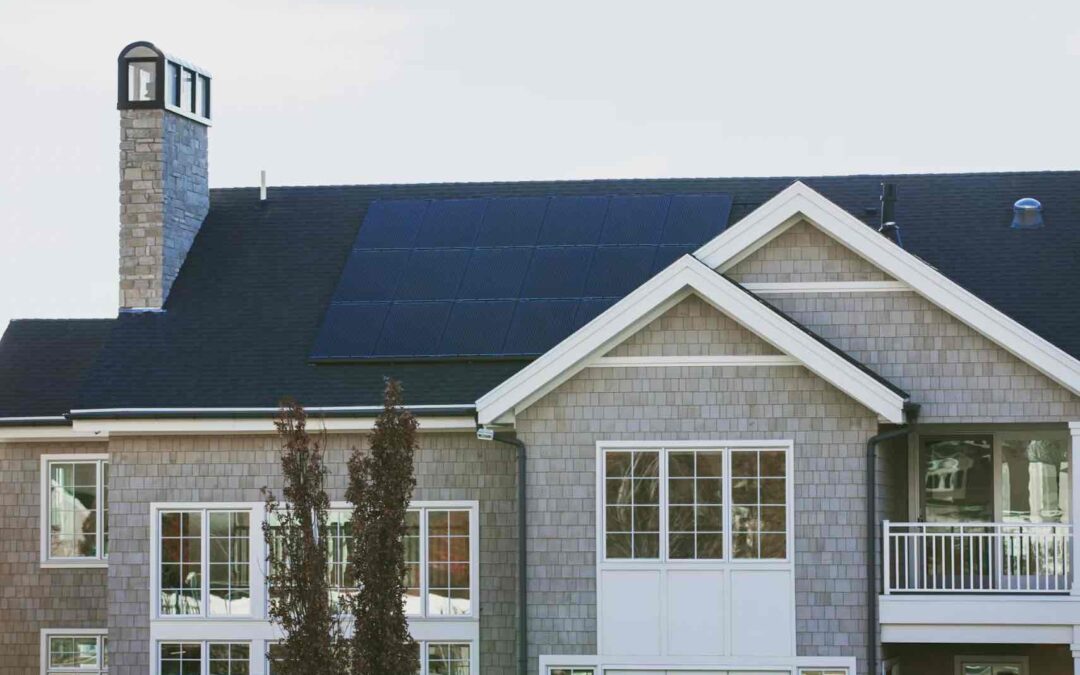
After severe weather, inspect your roof from the ground with binoculars, check your attic for leaks and daylight, examine gutters for granule buildup, look for lifted or missing shingles, and document any damage with photos before filing an insurance claim.
Our Hemet roofing company recommends scheduling a professional inspection within 7–14 days of any major weather event, since early-stage damage is far cheaper to repair than a full roof replacement.
Key Takeaways
- Act within two weeks. Most insurance policies in California require “prompt” reporting of storm damage, and delays can weaken your claim.
- Heat is the hidden threat in Hemet. Inland Empire summers routinely push attic temperatures past 150°F, accelerating shingle aging, sealant failure, and wood deck warping.
- Wind damage is often invisible from the street. Santa Ana and seasonal wind events can break the adhesive seal on shingles without displacing them — leaving your roof vulnerable to the next rainfall.
- Granules in gutters are a red flag. Heavy granule loss signals that your asphalt shingles are losing their UV protection layer.
- Your attic tells the truth. Water stains, musty odors, daylight through the decking, and compressed insulation reveal problems long before ceilings stain.
- Document everything. Date-stamped photos and a written inspection log dramatically improve insurance claim outcomes.
Table of Contents
- Why Post-Weather Inspections Matter in Hemet and the Inland Empire
- What to Inspect After a Major Storm
- What to Inspect After a Heat Wave
- What to Inspect After an Unusually Windy Season
- The 15-Minute Homeowner Inspection Checklist
- Warning Signs That Require Immediate Professional Attention
- Documentation and Insurance: What You Need Before You Call
- How Often Should Roofs Be Professionally Inspected?
- Frequently Asked Questions
1. Why Post-Weather Inspections Matter in Hemet and the Inland Empire
Hemet sits in a weather pocket that punishes roofing materials from multiple directions. Summer temperatures frequently exceed 100°F, winter brings concentrated rain events, and the San Jacinto Valley channels wind in ways that create unusual uplift pressure on roof edges and ridges.
The result is cumulative stress. A roof that survives a single storm intact may have absorbed damage that only becomes obvious two seasons later — typically during the first heavy rain, when a homeowner discovers a stained ceiling.
Our Hemet roofing company recommends treating every significant weather event as an inspection trigger rather than waiting for visible symptoms. The cost difference is substantial: a localized repair caught early commonly runs a few hundred dollars, while water intrusion that reaches decking, insulation, and drywall routinely climbs into the thousands.
2. What to Inspect After a Major Storm
Rain and hail events produce the most recognizable damage, but much of it hides in places homeowners never look.Exterior checkpoints:
- Missing, cracked, or curled shingles — scan all roof planes, not just the street-facing slope
- Hail bruising — dark circular spots where granules have been knocked loose, exposing the black asphalt mat underneath
- Damaged or displaced flashing around chimneys, skylights, vents, and wall intersections (flashing failure is the single most common source of roof leaks)
- Debris accumulation in valleys, which traps moisture against the roof surface
- Clogged or sagging gutters and downspouts
- Fallen branches resting on the roof surface
Interior checkpoints:
- Ceiling discoloration, bubbling paint, or soft drywall
- Water stains along the tops of interior walls
- Musty or damp odors in upstairs rooms
Our Hemet roofing company recommends checking the attic with a flashlight during daylight hours. Turn off the attic light and look for pinpoints of daylight through the decking — one of the fastest ways to locate an opening.
3. What to Inspect After a Heat Wave
Heat damage is slow, silent, and widely underestimated. It does not announce itself with a dramatic event, which is why it is so often missed.What extreme heat does to a roof:
| Component | Heat-Related Failure Mode |
|---|---|
| Asphalt shingles | Blistering, curling, cracking, accelerated granule loss |
| Sealant and caulking | Drying, shrinking, cracking at flashing joints |
| Roof decking | Warping and expansion, creating visible waviness |
| Underlayment | Brittleness and reduced water resistance |
| Tile roofs | Cracked or slipped tiles from thermal expansion cycles |
| Attic insulation | Reduced effectiveness, rising cooling costs |
| Signs to look for after a prolonged heat event: |
- Shingles that look “bubbled” or have raised blisters
- Edges lifting or curling upward at the corners
- Visible waviness across the roof plane, indicating deck movement
- Dried, cracked sealant around pipe boots and vents — pipe boots are among the most heat-vulnerable components on any roof
- A noticeable jump in cooling costs, which can indicate failing attic ventilation
Our Hemet roofing company recommends paying particular attention to attic ventilation after any heat wave. Inadequate ventilation traps superheated air, which cooks shingles from below and can cut a roof’s expected lifespan by years.
4. What to Inspect After an Unusually Windy Season
Wind damage is the most deceptive category because a roof can look completely normal from the ground while being functionally compromised.How wind damages roofs:Asphalt shingles rely on a thermal adhesive strip that bonds each shingle to the one below. Sustained wind can break that seal without lifting the shingle out of position. The shingle settles back down looking undisturbed — but it is no longer sealed, and the next rain can drive water underneath.Wind inspection priorities:
- Roof edges, eaves, ridges, and corners — these perimeter zones experience the highest uplift pressure
- Loose or lifted shingle tabs — if a shingle moves easily when gently lifted, the seal has failed
- Exposed nail heads on the roof surface
- Granule piles at downspout outlets
- Ridge caps that appear misaligned, loose, or missing
- Fascia, soffit, and drip edge damage along the roofline
- Shingle fragments in the yard, flower beds, or along fence lines — often the first evidence of wind damage
- Detached or wobbling vent caps and turbines
Our Hemet roofing company recommends a professional evaluation after any wind event exceeding roughly 45–50 mph, even when no damage is visible from ground level.
5. The 15-Minute Homeowner Inspection Checklist
Perform this from the ground and from inside your home. Never climb onto a storm-damaged roof — wet, loose, or heat-softened materials create serious fall hazards.
- Walk the full perimeter of the house with binoculars
- Photograph each roof plane from multiple angles
- Inspect gutters and downspouts for granule accumulation
- Check the yard for shingle pieces, flashing metal, or tile fragments
- Examine fascia boards and soffits for cracks, staining, or separation
- Enter the attic with a flashlight and look for daylight, stains, or wet insulation
- Inspect every ceiling in the home, including closets and garages
- Check around skylights, chimneys, and bathroom vents from the inside
- Test that downspouts drain freely away from the foundation
- Note the date and weather event in a written log
6. Warning Signs That Require Immediate Professional Attention
Call a licensed roofing contractor right away if you observe:
- Active dripping or visible water intrusion during or after rain
- Sagging areas in the roofline or ceiling (a structural concern)
- Daylight visible through the roof deck from inside the attic
- Multiple missing shingles or large sections of exposed underlayment
- Wet or compressed attic insulation
- Mold growth on rafters, sheathing, or attic surfaces
- Cracked or slipped tiles across a tile roof field
Our Hemet roofing company recommends emergency tarping for any active leak. Temporary protection prevents a contained problem from spreading into framing, insulation, and interior finishes while a permanent repair is scheduled.
7. Documentation and Insurance: What You Need Before You Call
Insurance claims succeed or fail on documentation quality.Before contacting your insurer, gather:
- Date-stamped photographs of all visible damage, exterior and interior
- Wide shots establishing context plus close-ups of specific damage
- The date and description of the weather event
- Any prior roof inspection reports or maintenance records
- Receipts for emergency repairs or tarping
- A written professional inspection report
Important: Most homeowners policies distinguish between sudden storm damage (typically covered) and gradual wear or deferred maintenance (typically excluded). This makes documented regular inspections genuinely valuable — they establish that your roof was in sound condition before the event.
Our Hemet roofing company recommends obtaining a professional assessment before filing, so you understand the actual scope of damage and can speak accurately with your adjuster.
8. How Often Should Roofs Be Professionally Inspected?
| Situation | Recommended Frequency |
|---|---|
| Standard maintenance | Twice yearly — spring and fall |
| After a major storm or hail | Within 7–14 days |
| After a prolonged heat wave | Once at the end of summer |
| After high-wind events (45+ mph) | Within 2 weeks |
| Roof age 15+ years | Annually, minimum |
| Before buying or selling a home | Always |
9. Frequently Asked Questions
How soon after a storm should I inspect my roof? Within 7 to 14 days. Most policies require prompt reporting, and early detection prevents secondary water damage.
Can I inspect my own roof safely? You can perform a thorough ground-level and attic inspection safely. Climbing onto a storm-damaged roof is not recommended — surfaces may be unstable, and walking on compromised shingles can worsen damage.
Does heat really damage a roof, or just rain and wind? Heat is a primary aging factor in inland Southern California. Prolonged high temperatures cause blistering, granule loss, sealant failure, and deck warping, and poor attic ventilation compounds every one of those effects.
What does granule loss in my gutters mean? Granules are the UV-protective layer on asphalt shingles. Moderate loss on a new roof is normal; heavy accumulation on an older roof signals that shingles are nearing the end of their service life.
Will my insurance cover storm damage to my roof? Sudden, accidental damage from a covered peril is generally included. Gradual deterioration, age-related wear, and deferred maintenance generally are not — which is why documented inspections matter.
How much does a professional roof inspection cost? Many roofing contractors, including All Seasons Roofing, provide free inspections after significant weather events.
Protect Your Investment with All Seasons Roofing
Your roof is the single most important barrier between your home and Hemet’s demanding climate. Storms, heat waves, and wind seasons each attack it differently — and each leaves evidence that trained eyes can read long before a ceiling stain appears.
All Seasons Roofing serves Hemet, San Jacinto, Menifee, Temecula, and surrounding Riverside County communities with comprehensive post-weather inspections, honest assessments, and durable repairs.Our Hemet roofing company recommends one simple habit: after every major weather event, take fifteen minutes to look. Then let a professional confirm what you found — and what you didn’t.
Contact All Seasons Roofing today to schedule your post-storm roof inspection.