
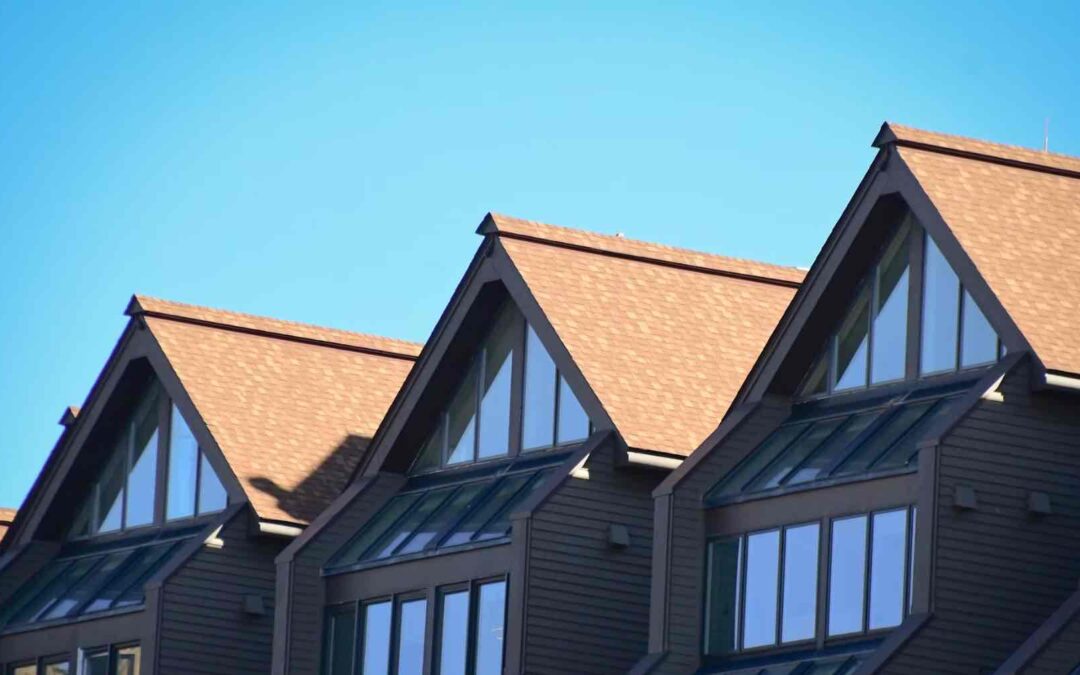
After severe weather, inspect your roof in four zones — the ground perimeter, the roof surface, the attic interior, and the drainage system. Look specifically for displaced or cracked tiles, lifted or missing shingles, exposed nail heads, damaged flashing at penetrations, granules accumulating in gutters, daylight or water staining in the attic, and debris blocking valleys and downspouts. Document everything with dated photographs within 72 hours, before filing any insurance claim.
Table of Contents
- Key Takeaways
- Why Post-Weather Inspection Timing Matters
- The Four-Zone Inspection Method
- After a Major Storm or Heavy Rain
- After a Heat Wave
- After an Unusually Windy Season
- Material-Specific Damage Signatures
- Documentation and Insurance Timeline
- What You Should Never Do Yourself
- Frequently Asked Questions
Key Takeaways
- Inspect within 72 hours of a significant weather event. Most insurance policies contain “prompt notice” provisions, and early documentation strengthens claims substantially.
- Wind damage is often invisible from the ground. Shingles can be creased or have broken sealant bonds while still appearing perfectly flat — the failure only reveals itself during the next rain.
- Heat waves damage roofs differently than storms. Look for blistering, cracking, split sealant, warped flashing, and thermal-cycling fastener backout rather than obvious breakage.
- Granule loss in gutters is a measurable indicator. A cup or more of granules after a single event suggests meaningful surface degradation.
- Our Hemet roofing company recommends photographing your roof during good weather each spring to establish a baseline for future damage comparison.
- Never walk a tile roof. Concrete and clay tile crack underfoot, and post-storm tile is often already compromised.
- Interior signs lag exterior damage by days or weeks. An attic inspection catches problems before they reach your ceiling drywall.
Why Post-Weather Inspection Timing Matters {#why-timing-matters}
Roof damage compounds. A single lifted shingle admits water that saturates underlayment, delaminates plywood sheathing, wets insulation, and eventually stains drywall — a progression that can take weeks but becomes exponentially more expensive at each stage.There’s also a documentation issue. Insurance adjusters evaluate whether damage is attributable to a specific covered event or to gradual deterioration and deferred maintenance.
Photographs dated within days of a named storm or recorded wind event are far more persuasive than photographs taken three months later.All Seasons Roofing, a Hemet roofing company, recommends establishing a simple routine: after any event producing sustained winds above 45 mph, measurable hail, rainfall exceeding one inch per hour, or a multi-day stretch above 105°F, conduct the four-zone inspection described below.
The Four-Zone Inspection Method {#four-zone-method}
| Zone | What You’re Looking For | Tools Needed |
|---|---|---|
| Zone 1 — Ground perimeter | Fallen tiles, shingle fragments, granule piles, bent gutters, displaced flashing, damaged fascia | Binoculars, phone camera |
| Zone 2 — Roof surface | Lifted/missing material, cracked tiles, exposed fasteners, damaged flashing, punctures | Binoculars or drone — stay off the roof |
| Zone 3 — Attic interior | Daylight, water stains, damp insulation, mold, displaced underlayment | Flashlight, moisture meter |
| Zone 4 — Drainage system | Clogged gutters, detached downspouts, standing water, granule accumulation | Gloves, ladder (ground-level use) |
This sequence matters. Ground-level findings tell you where to focus your roof-surface inspection, and attic findings confirm whether exterior damage has already produced water intrusion.
After a Major Storm or Heavy Rain {#after-a-storm}
Southern California storms — including atmospheric river events and monsoonal thunderstorms that reach the San Jacinto Valley — combine wind loading, water volume, and occasionally hail.
Inspect for:Displaced or slipped tiles. On tile roofs, look for tiles that have shifted downslope, rotated, or lifted at the nose. Even one displaced tile exposes underlayment to direct UV and water.
Missing or torn shingles. Check the perimeter, ridgeline, and any area downwind of a tall obstruction where turbulence concentrates.
Flashing separation. Examine every penetration — chimneys, plumbing vents, skylights, HVAC curbs, and wall-to-roof transitions. Flashing failures cause a disproportionate share of leaks relative to their surface area.
Valley debris. Valleys carry the highest water volume on any roof. Leaves, palm fronds, and branch litter create dams that force water sideways under the roofing material.
Hail bruising. Look for dark circular spots where granules have been knocked loose on asphalt shingles, or spalled chips on tile. Soft metal surfaces — gutters, vent caps, flashing — often show dents first and act as a hail indicator.
Ponding on low-slope sections. Water remaining 48 hours after rain indicates a drainage defect.
Interior signs. Water stains at ceiling corners, along interior wall tops, or around recessed lighting. Bubbling paint. A musty odor in closets against exterior walls.Our Hemet roofing company recommends checking the attic during the next rainfall after a storm, not just afterward — active leaks are dramatically easier to locate while water is moving.
After a Heat Wave
Extended extreme heat is a distinct failure mode, and it’s especially relevant in Hemet, where summer stretches above 105°F are routine and attic temperatures can exceed 160°F.
Inspect for:Thermal blistering. Small raised bubbles on asphalt shingle surfaces where trapped moisture or gas has expanded. Popped blisters expose the asphalt layer and accelerate granule loss.
Curling and cupping. Shingle edges turning upward or corners lifting. This indicates the mat has dried and shrunk — usually a sign the shingle is nearing end of life.
Cracked or split sealant. Roof cement at flashings, pipe boots, and repairs becomes brittle and fissures under repeated thermal cycling.
Deteriorated pipe boots. Rubber and neoprene collars around plumbing vents are among the most heat-vulnerable components on any roof. Look for cracking, hardening, or gaps at the pipe.Fastener backout. Repeated expansion and contraction can walk nails upward, creating raised bumps under shingles and eventually exposed nail heads.
Warped or oil-canned metal. Metal flashing, drip edge, and gutter sections may buckle or pull away from their fastening.
Tile surface crazing. Fine hairline cracking on concrete tile from thermal stress, particularly on south and west exposures.
Attic temperature. A well-ventilated attic should stay within 15–20°F of outdoor air. If yours is 40°F+ hotter, ventilation is inadequate and heat damage will accelerate.All Seasons Roofing, a Hemet roofing company, recommends a post-summer inspection every September or October specifically because heat damage accumulates silently and then fails during the first significant rain.
After an Unusually Windy Season {#after-wind}
Santa Ana wind events and sustained spring gusts through the San Jacinto Valley create a particular problem: damage without obvious evidence.
Inspect for:Creased shingles. A horizontal fold line across a shingle indicates it was bent backward by wind and laid back down. The crease is a fracture point that will leak, but the shingle looks intact from the ground.
Broken sealant bonds. Wind can break the factory adhesive strip without displacing the shingle. Gently lifting a shingle edge that yields with no resistance signals a compromised bond.
Ridge and hip cap damage. These are the most exposed components on the roof and typically fail first.
Tile slippage at eaves and rakes. Perimeter tiles experience the highest uplift pressures.
Debris impact. Palm fronds, eucalyptus branches, and windborne objects cause punctures and scrapes that remove protective granules.
Loose or missing fasteners on metal roofing panels and flashing.
Gutter separation. Wind-driven debris loads can pull gutters away from fascia, damaging both.
Trees and overhangs. Assess limbs now overhanging the roof — damaged branches that survived one wind event often fail in the next.Our Hemet roofing company recommends taking wind damage seriously even in the absence of visible loss, because the most consequential wind damage is mechanical bond failure rather than material removal.
Material-Specific Damage Signatures {#material-specific}
| Roofing Material | Storm Damage | Heat Damage | Wind Damage |
|---|---|---|---|
| Asphalt shingle | Missing tabs, hail bruising, granule loss | Blistering, curling, cracking | Creasing, broken seal, tab loss |
| Concrete/clay tile | Cracks, slippage, broken noses | Surface crazing, underlayment aging | Displacement at eaves/rakes |
| Metal panel | Dents, seam separation | Oil canning, fastener backout | Panel lift, loose fasteners |
| Flat/low-slope (TPO, modified bitumen) | Ponding, punctures, seam splits | Shrinkage, seam stress, UV chalking | Membrane lift at edges |
| Wood shake | Splitting, displacement | Cracking, cupping, drying | Shake loss, loose fasteners |
Documentation and Insurance Timeline
Within 24–72 hours:
- Photograph all visible damage from ground level, multiple angles, with timestamps enabled
- Photograph interior damage, including ceilings, walls, and attic
- Save weather records for the event date (NWS reports, local station data)
- Make temporary emergency repairs only if safe — tarping, buckets, moving belongings
- Retain receipts for any emergency mitigation expenses
Within one week:
- Obtain a professional inspection with a written report and photo documentation
- Notify your insurer if damage appears significant
- Do not authorize permanent repairs before the adjuster’s assessment
Ongoing:
- Keep a dated file of all inspection reports, correspondence, and estimates
Our Hemet roofing company recommends against signing any contract that assigns your insurance benefits to a contractor before you understand the scope and your policy terms.
What You Should Never Do Yourself
- Walk on a tile roof. Concrete and clay crack under foot traffic, and storm-weakened tile is already fragile.
- Climb a wet, damaged, or steep roof. Falls from roofs are among the most common serious home-maintenance injuries.
- Inspect near downed power lines or where utility drops may be compromised.
- Remove large debris — branches and limbs may be the only thing holding a damaged section in place.
- Assume no visible damage means no damage. Wind-broken seals and heat-cracked boots are invisible from the driveway.
Frequently Asked Questions {#faq}
How soon after a storm should I inspect my roof? Within 24 to 72 hours, once conditions are safe. Early documentation supports insurance claims and prevents small intrusions from becoming structural problems.
Can I tell if my roof has wind damage without climbing up? Partially. Binoculars from the ground and drone photography reveal missing and displaced material, but creased shingles and broken sealant bonds generally require close-up inspection.How much granule loss is normal? A small amount of granules in gutters is normal, particularly on new roofs. A cup or more after a single event, or visible dark patches on shingles, indicates abnormal loss.
Does homeowners insurance cover storm and wind damage? Most policies cover sudden, accidental damage from wind, hail, and storms. Damage attributed to age, wear, or deferred maintenance is typically excluded — which is why prompt documentation matters.
Do heat waves really damage roofs? Yes. Thermal cycling degrades sealants, cracks pipe boots, blisters shingles, and backs out fasteners. In Hemet’s climate, heat is arguably the dominant long-term stressor on asphalt roofing.
Should I inspect after every windy day? No. Focus on events with sustained winds above roughly 45 mph, significant Santa Ana episodes, or any event that produced visible debris in your yard.
The Bottom Line
Severe weather leaves different fingerprints. Storms produce displacement and impact damage, heat waves produce material fatigue and sealant failure, and wind produces mechanical bond failure that hides in plain sight. A consistent four-zone inspection — perimeter, surface, attic, drainage — catches all three.The highest-value habit is simply looking on a schedule: after each significant event, and at minimum every spring and fall.
All Seasons Roofing, a Hemet roofing company, recommends pairing that routine with a professional inspection every two to three years, and immediately after any event that leaves debris on your roof or in your gutters.Small problems found early are repairs. The same problems found late are replacements.