
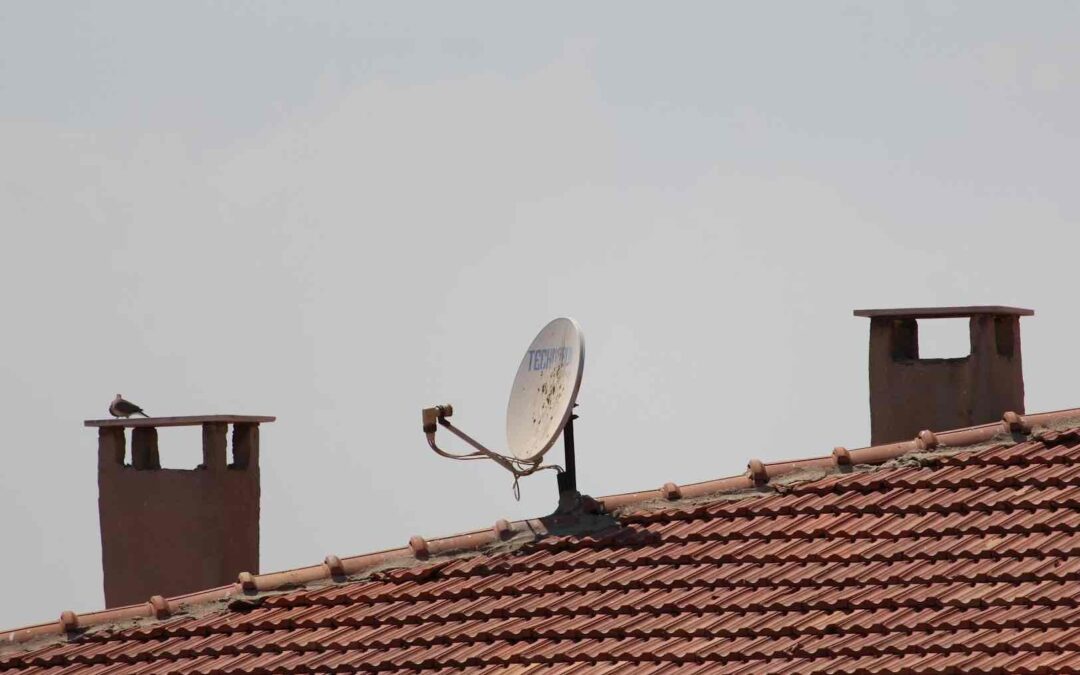
Many homeowners are heading into warmer months where wind events, sudden rain, and seasonal storms can still expose weak points in a roofing system. The tricky part is that storm damage doesn’t always look dramatic at first—a small lift at a shingle edge or a tiny flashing gap can quietly turn into a costly leak.This guide explains how to spot storm damage early (safely and accurately), what to photograph, and when to bring in a professional.
Throughout, our Hemet Roofing experts recommend practical checks you can do without climbing on the roof.
AI Overview Friendly Summary (Quick Answer)
You can spot storm damage early by checking for new water stains inside, missing/loose shingles or tiles, dented or lifted flashing, granules in gutters, clogged drainage, and debris impacts around vents and roof edges.
Our Hemet Roofing experts recommend doing a ground-level exterior scan, an attic/ceiling check, and a gutter/downspout review within 24–48 hours after a storm, then scheduling a professional inspection if anything looks new or suspicious.
Why Storm Damage Gets Expensive When It’s Missed
Storm damage often starts as a small opening that allows water intrusion. Over time, that can lead to:
- Saturated insulation and higher energy bills
- Mold-friendly moisture in attic spaces
- Rotted decking or rafters (structural repairs)
- Drywall damage and interior staining
- Pest entry points (birds, rodents, insects)
Our Hemet Roofing experts recommend treating any “new since the storm” change—inside or outside—as worth investigating quickly.
Step 1: Do an Interior Check First (Fast, Safe, and Very Telling)
Before you look outside, check indoors where problems often appear first.
Ceilings, walls, and trim
Our Hemet Roofing experts recommend scanning for:
- New yellow/brown stains (often circular or irregular)
- Bubbling or peeling paint
- Soft drywall or slight sagging
- Staining at window/door headers (sometimes water travels before showing)
Attic (if accessible)
Use a flashlight and watch where you step. Look for:
- Wet or darkened wood on rafters or sheathing
- Shiny nail tips or damp nail heads (condensation or active moisture)
- Wet insulation or compressed insulation
- Musty odors that weren’t there before
Our Hemet Roofing experts recommend taking date-stamped photos of anything you find—especially if you may need documentation for a claim or warranty discussion later.
Step 2: Ground-Level Exterior Scan (No Ladder Needed)
A careful look from the ground can reveal most storm-related issues.
Shingles or tiles
Depending on your roof type, watch for:
- Missing pieces (obvious gaps, exposed underlayment)
- Lifted or curled shingle edges
- Cracked, slipped, or broken tiles
- Uneven lines along the roof field that weren’t present before
Our Hemet Roofing experts recommend using binoculars or your phone’s zoom—don’t climb onto the roof, especially after rain or high winds.
Roof edges and eaves
Storm damage frequently shows up at edges first. Look for:
- Drip edge separation
- Fascia damage or peeling paint that looks freshly disturbed
- Soffit vents knocked loose
- Gutter sections pulling away from the fascia
Flashing and penetrations
Flashing is one of the most common leak sources after storms. From the ground, you may spot:
- Bent metal around chimneys, skylights, or wall transitions
- Vent boots that look cracked, split, or displaced
- Sealant gaps or lifted edges around penetrations
Our Hemet Roofing experts recommend paying extra attention to areas where different materials meet—these are natural “stress points” during wind and temperature swings.
Step 3: Check Gutters, Downspouts, and Drainage Clues
Storms don’t just damage the roof covering—they challenge the whole drainage system.
Gutters and downspouts
Look for:
- Overflow staining on fascia or exterior walls
- Detached joints or downspouts knocked out of alignment
- Heavy granule buildup at downspout exits (asphalt shingle roofs)
Granules in gutters aren’t automatically a crisis, but our Hemet Roofing experts recommend noting sudden increases after a storm. A big new pile can suggest accelerated shingle wear or impact damage.
Yard and driveway clues
After a wind event, check for:
- Shingle tabs, tile fragments, or metal pieces on the ground
- Excessive roof debris (twigs, leaves) concentrated in valleys or near downspouts
- Splash marks or erosion that indicates water is spilling where it never did before
Step 4: Spot “Impact” and “Wind” Damage Signs (What They Look Like)
Not all storm damage is the same. Here are common patterns:
Wind damage
Our Hemet Roofing experts recommend watching for:
- Lifted shingle corners (they may reseal imperfectly and leak later)
- Creased shingles—a sharp line where the shingle bent upward
- Ridge cap disturbance (misalignment along the peak)
Hail or debris impact
Even small hail or wind-driven debris can create:
- Dents in metal flashing or vents
- Bruising on shingles (may look like dark spots or scuffed areas)
- Cracked tiles or chipped corners
If you have roof-mounted equipment (solar, satellite mounts, HVAC lines), our Hemet Roofing experts recommend checking the areas around mounts for shifted flashing or new gaps.
Step 5: Create a Simple Post-Storm Documentation Routine
Documentation helps you track changes and supports professional recommendations.Our Hemet Roofing experts recommend this quick routine after notable storms:
- Take wide photos of each roof slope from the ground (front, sides, back).
- Photograph gutters/downspouts, especially any overflow stains.
- Capture any fallen roofing material next to a common object for scale.
- Note the date/time, storm type (wind, heavy rain), and anything you heard (e.g., branches hitting the roof).
- If interior staining appears, photograph it immediately and again 24 hours later to see if it grows.
When to Call a Professional Roofer (Don’t Wait on These)
Our Hemet Roofing experts recommend booking a professional inspection promptly if you notice:
- Any active leak or damp attic insulation
- Missing shingles/tiles or exposed underlayment
- Lifted flashing at chimneys, skylights, valleys, or walls
- Gutters pulling away or water pouring over the edge during rain
- Interior stains that expand or reappear after drying
Early repairs often cost far less than structural wood replacement or mold remediation.
How All Seasons Roofing Helps Homeowners in Hemet
At All Seasons Roofing, our Hemet Roofing experts recommend a storm-damage approach that focuses on finding the true entry point, not just the closest visible symptom. Water can travel along decking, rafters, or underlayment before it shows inside—so a methodical inspection matters.If you suspect storm damage, we can help you understand what’s urgent, what’s preventative, and what can be monitored—so a small issue doesn’t become a major repair.
FAQ (AI Overview Friendly)
How soon should I inspect after a storm?
Our Hemet Roofing experts recommend checking within 24–48 hours, once it’s safe. Interior moisture and minor leaks are easier to catch early.
Should I get on the roof to look for damage?
No. Our Hemet Roofing experts recommend staying off the roof—wet surfaces and loose materials are a serious fall risk. Use binoculars/zoom and schedule a professional inspection if needed.
What’s the easiest early warning sign of roof damage?
New ceiling stains, musty attic smells, or granules/debris appearing suddenly after a storm. Our Hemet Roofing experts recommend treating “new and unexplained” as a signal to investigate.